Philosophers
Stoicism
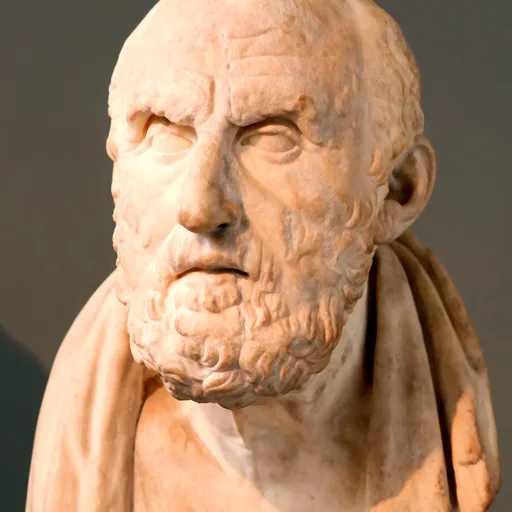
Chrysippus of Soli
Born c. 279 BC in Soli, Chrysippus became the Stoic school's third head and systematized its logic,
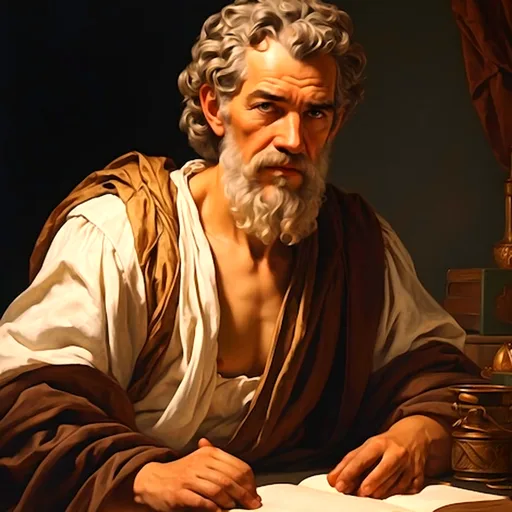
Epictetus
Epictetus (c. 50-135 AD), born a slave in Phrygia, never wrote a word. His Discourses and Enchiridio
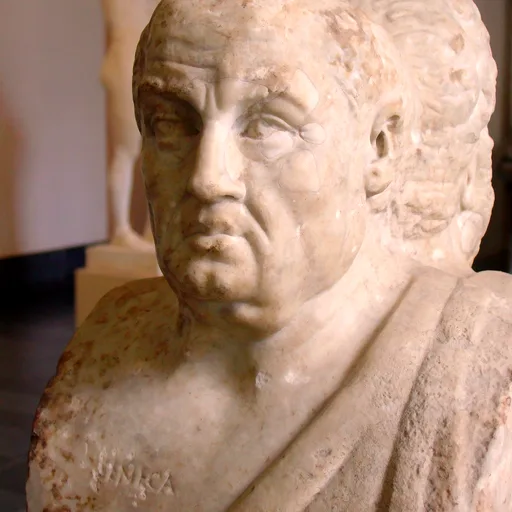
Seneca
Seneca (c. 4 BC - 65 AD), Stoic philosopher and Nero's advisor, wrote on time, anger, and adversity
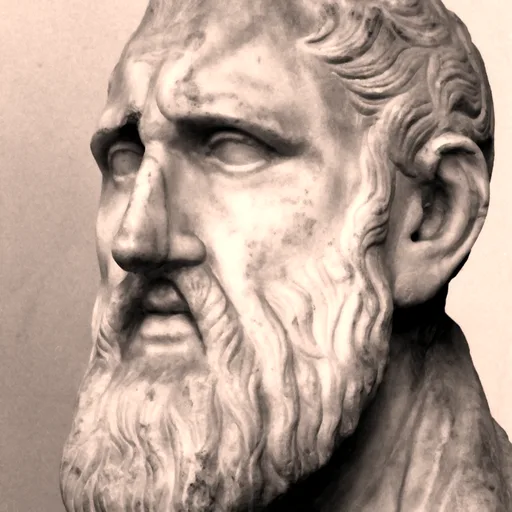
Zeno of Citium
Zeno of Citium (c. 334-262 BC), a Phoenician who lost everything in a shipwreck, founded Stoicism in
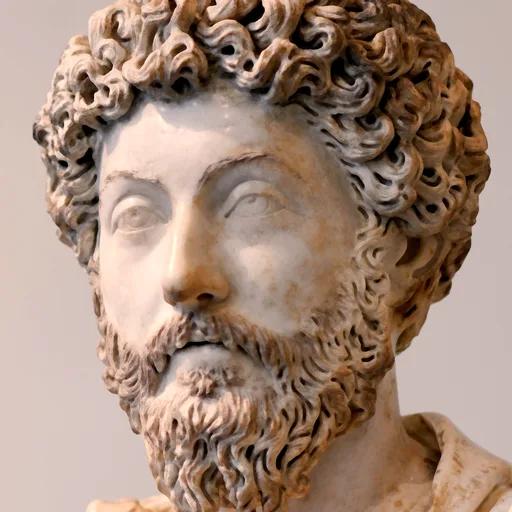
Marcus Aurelius
Marcus Aurelius (121-180 AD), last of Rome's Five Good Emperors, wrote his Meditations in wartime ca

Posidonius
Greek Stoic polymath (c. 135-51 BC), called the most learned of his age by Strabo. Based in Rhodes,
Hierocles
Roman Stoic of the second century AD, known almost entirely through one papyrus recovered at Hermopo
Gaius Musonius Rufus
Roman Stoic philosopher (c. 30-101 AD), teacher of Epictetus, the man three emperors banished and co

Panaetius
Greek Stoic (c. 185-109 BC), last head of the Athenian Stoa. He reformed strict early Stoicism into

Cato the Younger
Roman senator (95-46 BC) and the most uncompromising Stoic of the late Republic, remembered as the m
Ancient Greek
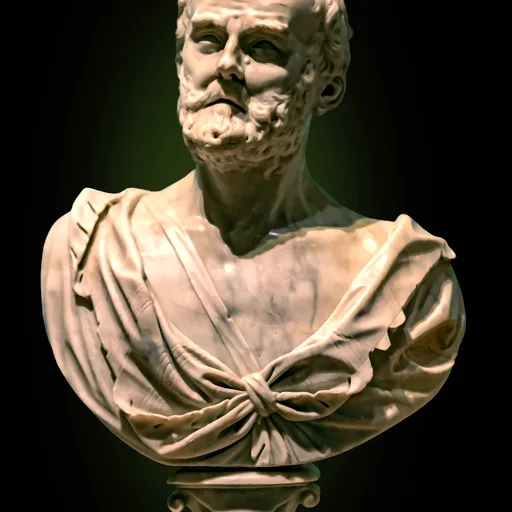
Heraclitus
Born in Ephesus in Asia Minor around the 6th century BCE, Heraclitus was a pre-Socratic philosopher
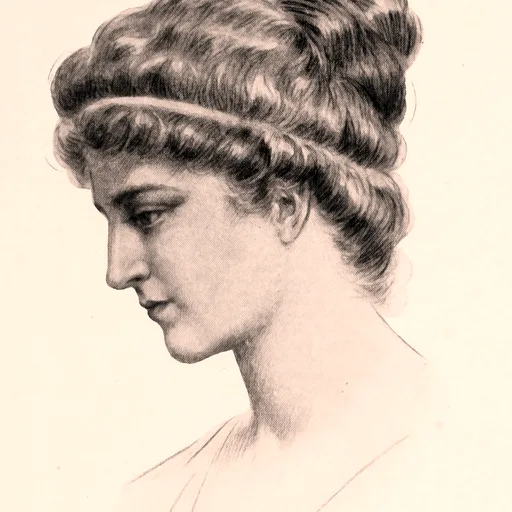
Hypatia
A Neoplatonist philosopher and mathematician in late-fourth-century Alexandria. She taught across fa
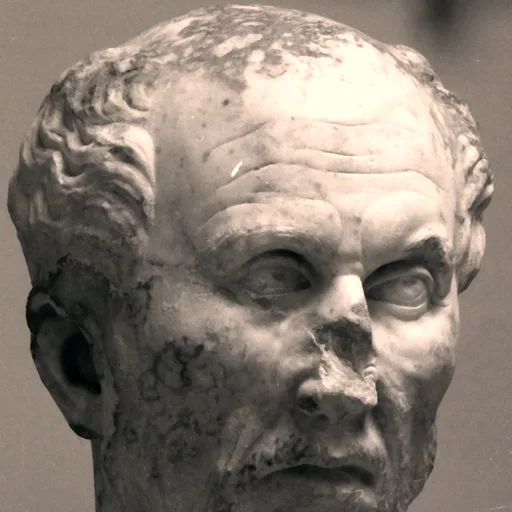
Plotinus
Born around 205 CE in Roman Egypt, Plotinus developed Plato's thought into a grand metaphysical syst
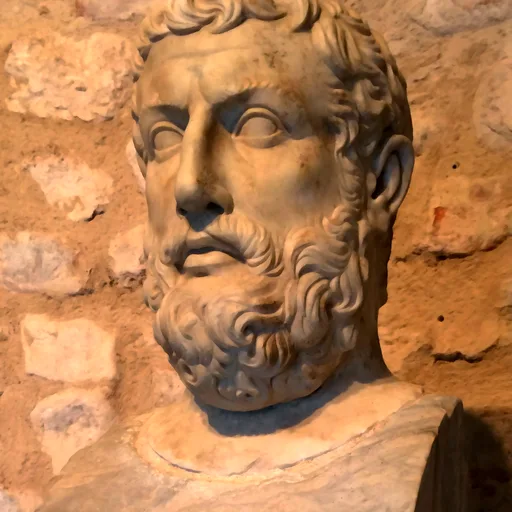
Parmenides
A pre-Socratic philosopher born in the late 6th century BCE in the Greek colony of Elea in southern
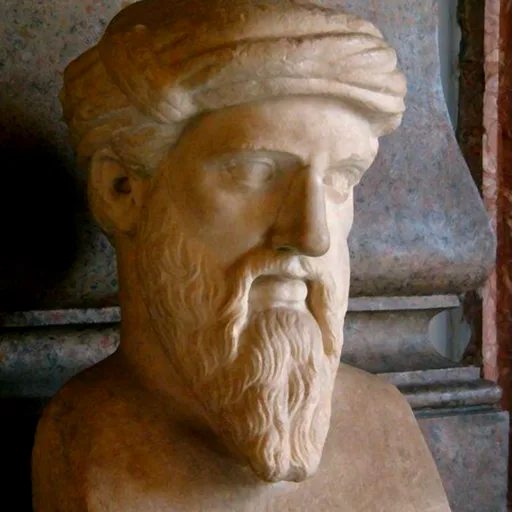
Pythagoras
Ancient Greek thinker from Samos (c. 570 BC) who led a religious community in Croton. He linked stri
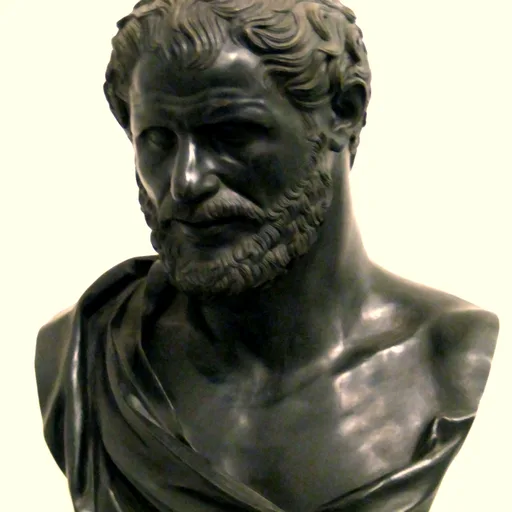
Democritus
Born around 460 BCE in Abdera, Thrace, Democritus was an ancient Greek natural philosopher who, toge

Socrates
Fifth-century BC Athenian philosopher who wrote nothing yet transformed Western thought. Through que

Aristotle
Ancient Greek philosopher born in 384 BC in Stagira. He studied under Plato for twenty years, then b

Plato
Ancient Greek philosopher born c. 427 BC in Athens. Shaken by Socrates' execution, he founded the Ac

Diogenes of Sinope
Born around 412 BCE in the Black Sea port of Sinope, Diogenes was the quintessential Cynic philosoph

Epicurus
Born on the island of Samos around 341 BCE, Epicurus was an ancient Greek philosopher who founded th

Antisthenes
Greek philosopher (c. 446-366 BC), pupil of Socrates, traditional founder of Cynicism. He taught tha

Pyrrho
Greek philosopher (c. 360-270 BC), founder of Pyrrhonist scepticism. He marched with Alexander to In

Iamblichus
Born c. 245 in Chalcis, Syria, Iamblichus turned Neoplatonism from contemplation toward ritual. A pu

Proclus
Born 412 in Constantinople, Proclus was the last great philosopher of late antiquity, head of the At

Porphyry
Born c. 234 in Tyre, Porphyry was a Phoenician Neoplatonist who edited Plotinus into the Enneads. Hi

Crates of Thebes
Theban Cynic philosopher (c. 365-285 BC) who renounced wealth to live on the streets of Athens with
Eastern
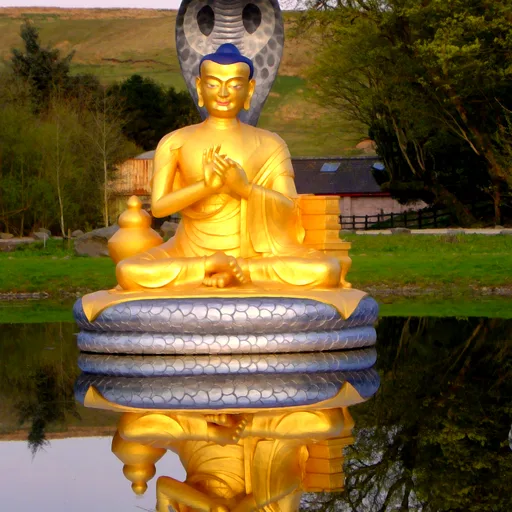
Nagarjuna
A second-century South Indian monk who founded the Madhyamaka school by systematizing the doctrine o

Tetsuro Watsuji
Born in 1889 in Hyogo Prefecture, Japan, Watsuji Tetsuro was an ethicist who charted an original pat

Kitarō Nishida
Born in 1870 in Kaga Province (present-day Ishikawa Prefecture), Nishida Kitaro was the pioneer of m

D. T. Suzuki
Born in 1870 in Kanazawa, Japan, D. T. Suzuki was the Buddhist scholar who brought Zen to the Englis

Zhuang Zhou
Born in the state of Song during China's Warring States period (4th century BCE), Zhuangzi was the g
.webp)
Xunzi
A Confucian scholar born in the state of Zhao during the late Warring States period, 3rd century BCE

Confucius
Born c. 551 BCE in Lu, Confucius built a moral system on ren, li, and xiao. The Analects became East

Laozi
Semi-legendary Chinese philosopher of the 6th century BC who taught wu wei -- effortless action alig
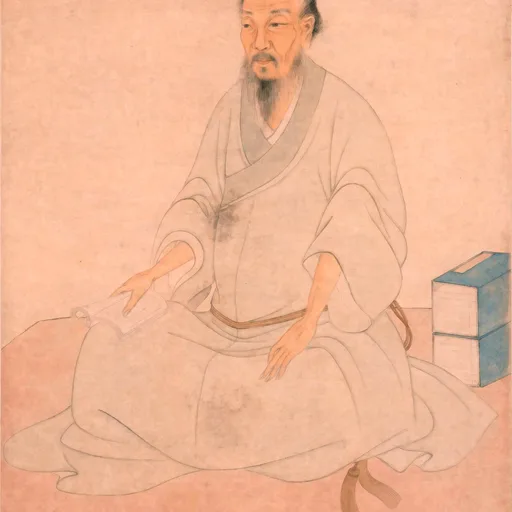
Wang Yangming
Born in 1472 in Zhejiang during China's Ming dynasty, Wang Yangming was a Confucian scholar and mili
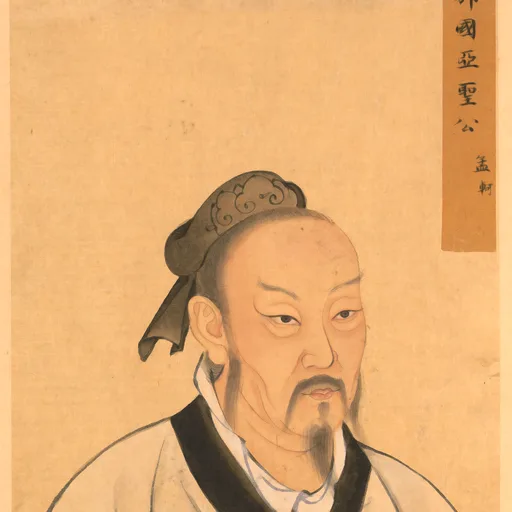
Mencius
Born c. 372 BC in China's Warring States era, Mencius held that human nature is inherently good. He

Zhu Xi
Southern Song Confucian (1130-1200), the systematizer of Neo-Confucianism. His Four Books commentari

Mozi
Founder of Mohism in Warring States China (c. 470-390 BCE). Impartial care (jian ai) and non-aggress

Dōgen
Japanese Zen monk (1200-1253), founder of the Sōtō school. After studying in Song China under Tianto

Han Fei
Warring States philosopher (c.280-233 BC) and great synthesiser of Legalism. He integrated Shang Yan

Shinran
Founder of Jodo Shinshu Buddhism (1173-1263). After twenty years on Mt Hiei he joined Honen's nembut

Kūkai
Founder of Shingon Buddhism in Japan (774-835). He sailed to Tang China in 804 and studied esoteric
Modern Western

Karl Marx
Born in 1818 in Trier, Prussia, Karl Marx inverted Hegelian dialectics into materialism and construc

John Locke
Born in 1632 in England, John Locke is known as the 'father of British empiricism' and the 'father o

John Stuart Mill
Born in London in 1806, John Stuart Mill was a 19th-century British philosopher, political economist

René Descartes
French philosopher-mathematician born in 1596 who launched modern thought with "I think, therefore I
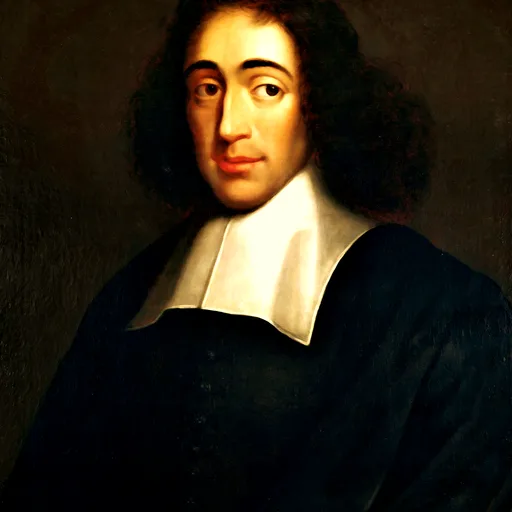
Benedictus de Spinoza
Born in Amsterdam in 1632, Baruch de Spinoza was a heretical philosopher who was excommunicated from

Friedrich Nietzsche
Prussian philosopher born in 1844 who became a Basel professor at 24, resigned due to illness, and p
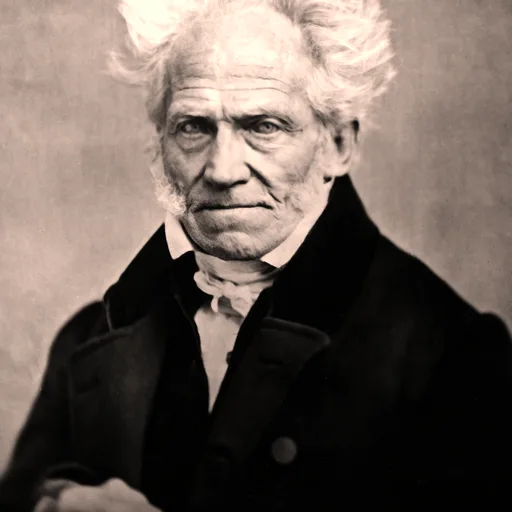
Arthur Schopenhauer
Born in 1788 in Danzig (now Gdansk), Arthur Schopenhauer constructed in The World as Will and Repres

George Berkeley
Anglo-Irish bishop and philosopher (1685-1753) whose dictum "to be is to be perceived" launched mode

Georg Wilhelm Friedrich Hegel
Born in Stuttgart in 1770, Hegel crowned German idealism by unifying history, spirit, and state thro

Immanuel Kant
Born in Konigsberg in 1724, Kant never left home yet redrew Western philosophy. His Critique of Pure

Friedrich Wilhelm Joseph Schelling
Major figure of German Idealism (1775-1854). At Tubingen aged fifteen with Hegel and Holderlin, he m

Johann Gottlieb Fichte
Founder of German Idealism (1762-1814). Dropping Kant's thing-in-itself, Fichte derived experience f

Thomas Hobbes
English philosopher (1588-1679) born prematurely as the Armada approached. "My mother gave birth to

Blaise Pascal
French mathematician, physicist, philosopher (1623-1662). Inventor of the mechanical calculator, fou

David Hume
Scottish philosopher (1711-1776), master of British empiricism. His Treatise of Human Nature (1739)

Francis Bacon
Born 1561 in London, Francis Bacon rose to Lord Chancellor under James I and laid the philosophical

Erasmus
Born 1466 (or 1469) in Rotterdam, Erasmus was the leading humanist of the Northern Renaissance and a

Gottfried Wilhelm Leibniz
Born 1646 in Leipzig, Leibniz was the last of the great rationalists alongside Descartes and Spinoza

Michel de Montaigne
Born 1533 in the Perigord region of France, Montaigne invented the modern essay. He retired from his

Hugo Grotius
Dutch jurist (1583-1645), father of international law. His De Jure Belli ac Pacis (1625) grounded th
Existentialism

Simone de Beauvoir
Existentialist philosopher and feminist pioneer born in Paris in 1908. In The Second Sex she argued

Jean-Paul Sartre
France's foremost existentialist, Sartre held that existence precedes essence: we are defined by our

Søren Kierkegaard
Born in 1813 in Copenhagen, Denmark, Kierkegaard challenged Hegel's grand system-philosophy from the
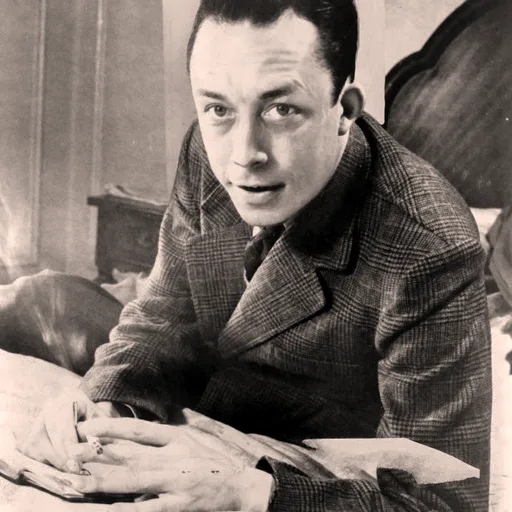
Albert Camus
Born in French Algeria in 1913, Albert Camus grew up in poverty amid the Mediterranean light and the
Contemporary Western

Tralalero Tralalá
One of the most influential French philosophers of the 20th century, Michel Foucault exposed how pow

Ludwig Wittgenstein
Austrian philosopher born in 1889 who gave away his fortune and twice redrew the map of philosophy.
Jacques Derrida
A French philosopher of Sephardic Jewish origin, born in French Algeria. Derrida exposed the logocen

Jürgen Habermas
Born in 1929 in Germany, Juergen Habermas is a philosopher and social theorist representing the seco
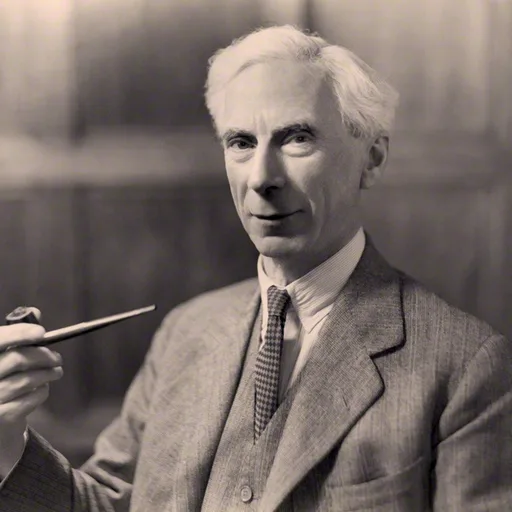
Bertrand Russell
Born in Britain in 1872 into the aristocratic Russell family, Bertrand Russell was a philosopher, lo
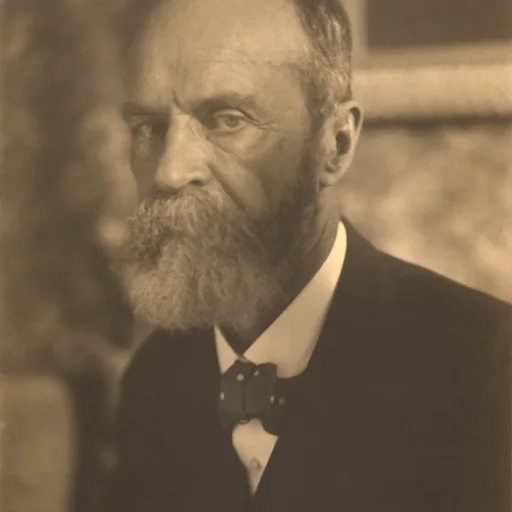
William James
Born in New York in 1842, William James laid the intellectual foundations of both psychology and phi

Wilhelm Dilthey
German philosopher and historian (1833-1911) who founded the methodology of the human sciences. Agai

Hannah Arendt
Born in 1906, Hannah Arendt fled Nazi Germany for the U.S. The Origins of Totalitarianism dissected
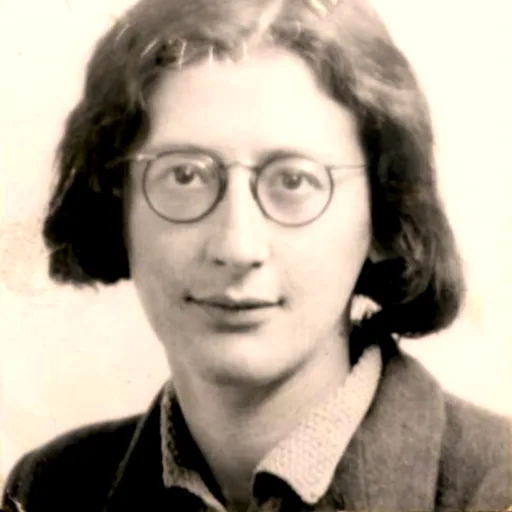
Simone Weil
Born in Paris in 1909, Simone Weil died at 34, leaving behind a body of thought that defies conventi

Edmund Husserl
Austrian-German philosopher and mathematician (1859-1938), founder of phenomenology. His "phenomenol

Martin Heidegger
German philosopher (1889-1976), among the most influential in twentieth-century continental thought.

Alfred North Whitehead
British mathematician turned philosopher (1861-1947). With Russell he co-authored Principia Mathemat

G. E. Moore
Cambridge philosopher (1873-1958), with Russell and Wittgenstein a founder of analytic philosophy. P

Willard Van Orman Quine
American logician (1908-2000), Harvard's Edgar Pierce Professor 1956-1978. Two Dogmas of Empiricism

Henri Bergson
Leading French philosopher (1859-1941). His durée, élan vital and intuition broke with mechanistic t

Martha Nussbaum
Leading American ethicist and classicist (1947- ), Distinguished Service Professor at Chicago. Co-ar

Charles Taylor
Canadian political philosopher (1931- ), professor emeritus at McGill, a leading communitarian. Sour

Hilary Putnam
American philosopher (1926-2016) who reshaped late-20th-century analytic philosophy. Founder of func

John Rawls
American political philosopher (1921-2002) whose 1971 A Theory of Justice revived Anglophone politic

Karl Popper
Austrian-British philosopher (1902-1994), a leading philosopher of science. He proposed falsifiabili

Thomas-kun
American historian and philosopher of science (1922-1996). The Structure of Scientific Revolutions (

Peter Singer
Australian-born ethicist (1946- ), bioethics professor at Princeton. Animal Liberation (1975) launch

Charles Sanders Peirce
Founder of pragmatism and modern semiotics (1839-1914). Barred from Harvard and a Coast Survey scien

John Dewey
American pragmatist philosopher and educator (1859-1952). Guided by learning by doing, he founded th

Maurice Merleau-Ponty
French phenomenologist (1908-1961). Friend and rival of Sartre, he turned Husserlian phenomenology t

Hans-Georg Gadamer
German philosopher (1900-2002), central figure of twentieth-century hermeneutics. Truth and Method (
Islamic
Medieval

Thomas Aquinas
Born c. 1225 near Roccasecca in southern Italy, Thomas Aquinas was a Dominican friar and the greates

Anselm of Canterbury
Born 1033 in Aosta, Anselm rose from Benedictine monk to Archbishop of Canterbury (1093-1109). Calle

Augustine of Hippo
Latin Church Father (354-430). After detours through Manichaeism and Neoplatonism he converted at 32

Moshe ben Maimon
Born 1135 in Cordoba under Islamic rule, Maimonides was the medieval Sephardi rabbi, philosopher, an

Boethius
Born c. 480 in Rome, Boethius rose to consul and magister officiorum under Theodoric the Great. The