Philosophers / Stoicism
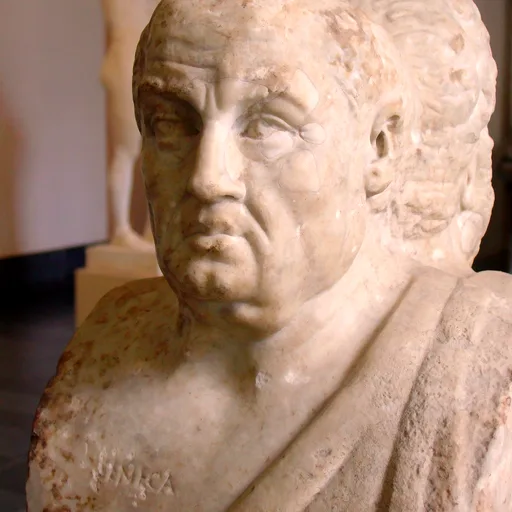
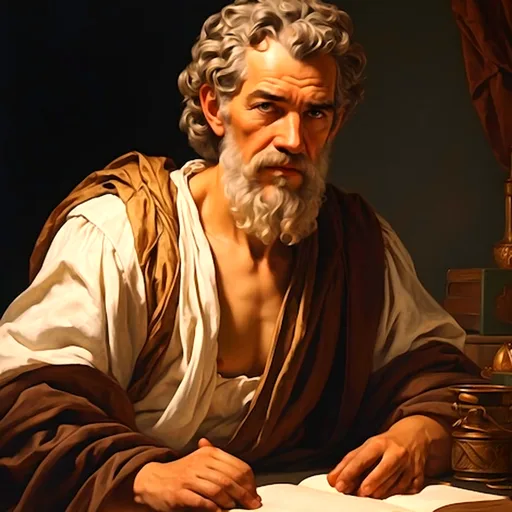
Seneca
Italy -0004-01-01 ~ 0065-04-10
Stoic philosopher and statesman, 1st-century Roman Empire
Warned against wasting time in 'On the Shortness of Life'
Here lies the prescription for the disposable time stolen by mindless scrolling
Seneca (c. 4 BC - 65 AD), Stoic philosopher and Nero's advisor, wrote on time, anger, and adversity from the heart of Roman power. His Moral Letters and On the Shortness of Life remain practical self-mastery guides.
What You Can Learn
Seneca's time-waste warning is a prescription for the smartphone age. Mindless scrolling and pointless meetings are slow forms of death. His anger technique, pausing one beat, is the ancestor of modern anger management. Focusing only on what you control filters decisions for rattled investors and drained professionals. His own contradictions reassure imperfect leaders that pursuing wisdom, not perfecting it, is what counts.
Words That Resonate
It is not that we have a short time to live, but that we waste much of it.
Non exiguum temporis habemus, sed multum perdidimus.
Fire tests gold; adversity tests strong people.
Ignis aurum probat, miseria fortes viros.
As in all things, we suffer from excess in reading too. Many books are a burden, not an ornament.
Quemadmodum omnium rerum, sic litterarum quoque intemperantia laboramus.
It is the quality of your life that matters, not its length.
Quam bene vivas refert, non quam diu.
Anger, if not obeyed, fades; once it enters the mind and pervades habit, vice becomes law.
Ira, nisi paret, facit moram: si semel intraverit mentem morumque pervaserit, lex est quod antea vitium fuit.
It is hard to retain what you learn unless you practice it.
Difficile est tenere quae acceperis nisi exerceas.
Life & Legacy
Lucius Annaeus Seneca lived where philosophy meets power during Rome's most dramatic era. His writings endure not because he was an abstract thinker but because he grappled with human weakness while navigating imperial politics, translating Stoic philosophy into actionable wisdom.
Born around 4 BC in Corduba, Hispania, he was the son of the rhetorician Seneca the Elder. Raised in Rome, he studied under the Stoic Attalus and adopted austere habits. Chronic respiratory illness sent him to Egypt for recovery — a period that broadened his outlook. Returning to Rome, he entered politics and gained renown as a Senate orator.
In 41 AD, Emperor Claudius exiled him to Corsica for eight years. The exile deepened his work. His Consolation to Helvia turns personal misfortune into a meditation on acceptance. In 49 AD, Empress Agrippina recalled him to tutor the young Nero.
When Nero became emperor in 54, Seneca and the prefect Burrus effectively ran the state, producing five years remembered as a golden age. Yet Seneca accumulated great wealth while preaching simplicity. Wealth is morally neutral, he argued; what matters is how it is used.
His Moral Letters (124 letters), On the Shortness of Life, and On Anger form his practical legacy. Life is not short; we waste most of it. Anger hardens into habit if unchecked — pause one beat before reacting. Focus only on what you control.
In 65 AD, implicated in the Pisonian conspiracy, Seneca was ordered to die. Tacitus records that he opened his veins calmly, telling students his way of living was his legacy. He died as he wrote: philosophy is not theory but practice, through the final breath.
Expert Perspective
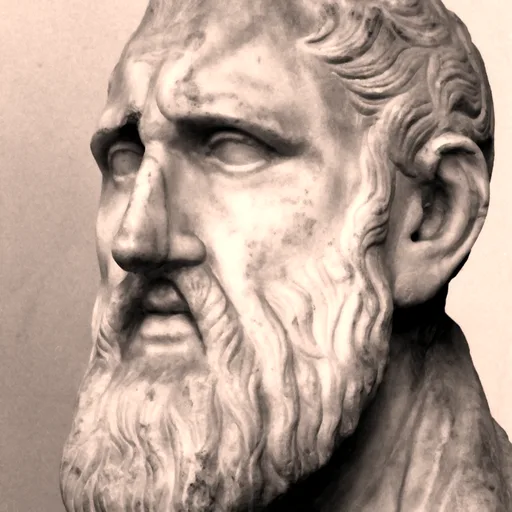
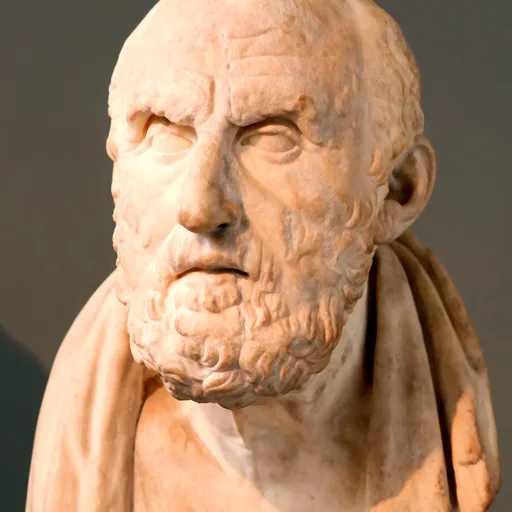
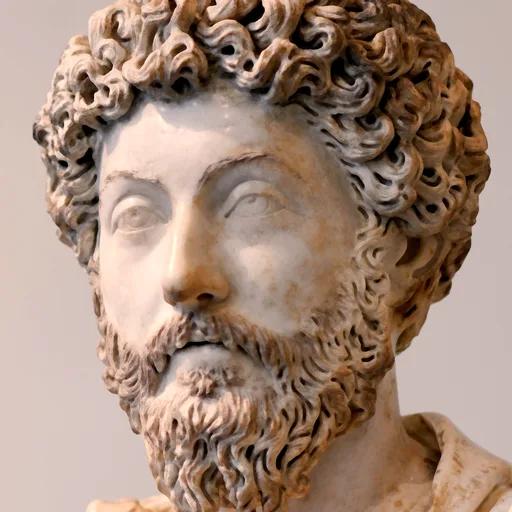
Seneca is translator, not system-builder, in Stoic thought. Where Zeno and Chrysippus built grand theories, he distilled ethics into vivid daily counsel. His rhetorical prose opens philosophy to non-specialists. This accessible practical Stoicism anticipates the modern revival led by Ryan Holiday.