Philosophers / Modern Western

Immanuel Kant
Germany 1724-04-22 ~ 1804-02-12
18th-century Prussian philosopher
Brought a Copernican revolution to epistemology with the 'Critique of Pure Reason'
Distinguishing what can be known from what cannot elevates the quality of decision-making
Born in Konigsberg in 1724, Kant never left home yet redrew Western philosophy. His Critique of Pure Reason reconciled rationalism and empiricism. His categorical imperative remains a bedrock of ethics.
What You Can Learn
Kant's insight is paradoxical: knowing reason's limits lets us use reason well. When AI text and viral narratives invite uncritical acceptance, distinguishing the knowable from the unknowable sharpens every decision. In investing, separating analyzable fundamentals from unpredictable sentiment is Kantian boundary-setting. The categorical imperative tests corporate ethics: would this shortcut work if everyone took it? Kant built world philosophy without leaving home, proving constraints need not limit reach.
Words That Resonate
Two things fill the mind with ever new and increasing admiration and reverence: the starry heavens above me and the moral law within me.
Zwei Dinge erfuellen das Gemueth mit immer neuer und zunehmender Bewunderung und Ehrfurcht, je oefter und anhaltender sich das Nachdenken damit beschaeftigt: der bestirnte Himmel ueber mir und das moralische Gesetz in mir.
I had to deny knowledge in order to make room for faith.
Ich musste also das Wissen aufheben, um zum Glauben Platz zu bekommen.
Have the courage to use your own understanding!
Habe Muth, dich deines eigenen Verstandes zu bedienen!
Thoughts without content are empty, intuitions without concepts are blind.
Gedanken ohne Inhalt sind leer, Anschauungen ohne Begriffe sind blind.
Treat humanity, in your own person or in another, always as an end and never merely as a means.
Handle so, dass du die Menschheit, sowohl in deiner Person als in der Person eines jeden anderen, jederzeit zugleich als Zweck, niemals bloss als Mittel brauchest.
Life & Legacy
Immanuel Kant embodied the summit of Enlightenment thought. Born in 1724 in Konigsberg, East Prussia, to a harness-maker's family, he absorbed Pietist moral earnestness from his mother. At sixteen he entered the local university, studying science and philosophy with deep interest in Newtonian mechanics.
After nine years as a tutor he became a Privatdozent in 1755, publishing the "nebular hypothesis" on the solar system's formation -- a theory Laplace independently confirmed. He finally won a full professorship at forty-six. The quiet accumulation of those years fueled the explosion that followed.
David Hume's empiricism was the catalyst. Hume, Kant wrote, "awakened me from my dogmatic slumber." After a decade of silence he published the Critique of Pure Reason (1781). Its revolutionary claim: objects conform to the mind's structure, not the reverse. Space and time are forms of sensibility; causality precedes experience. This turn secured empirical knowledge while placing God, freedom, and the soul beyond theoretical proof.
Kant saw limitation as liberation. By fencing off theory he opened ground for morality. The Critique of Practical Reason (1788) grounded ethics in reason itself. The categorical imperative judges morality by the universalizability of motive, not by consequences, forming one of modern ethics' two pillars alongside utilitarianism. The Critique of Judgment (1790) bridged knowledge and morality through aesthetic judgment.
Late in life, Toward Perpetual Peace envisioned a federation of republics foreshadowing the UN. Kant's clockwork routine was legendary: neighbors set watches by his walk. He died in 1804, aged eighty, having never left Konigsberg -- a thinker whose reach vastly exceeded his horizons.
Expert Perspective
Kant critically synthesized rationalism and empiricism. In epistemology he opened transcendental idealism as a third way; in ethics he founded deontology opposite utilitarianism. He is early modern philosophy's culmination and the starting point for Hegel, Schopenhauer, and analytic philosophy.
Related Books
Immanuel Kant - Search related books on AmazonConnections
Influenced by

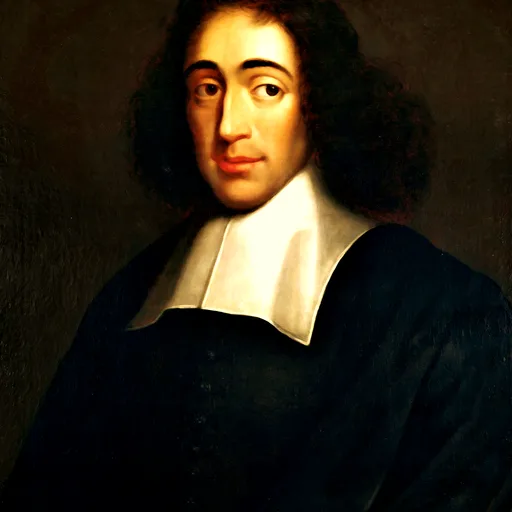


Influenced

倫理的普遍主義と道徳的主体の概念

批判哲学の伝統

道徳哲学の基盤
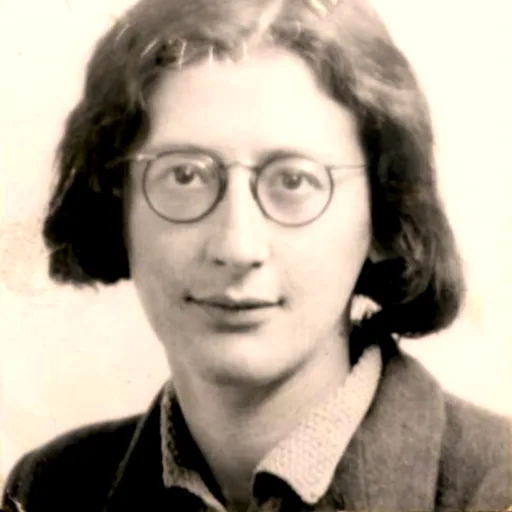
道徳法則の無条件性と義務の概念から影響を受けた
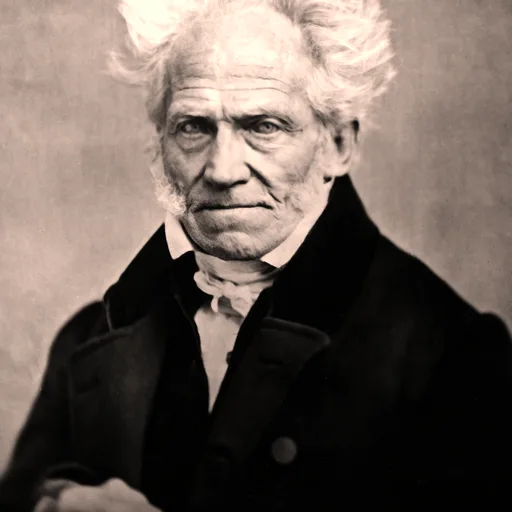
認識論と物自体概念の基盤を継承

カントの自律概念を実存主義的自由論に展開
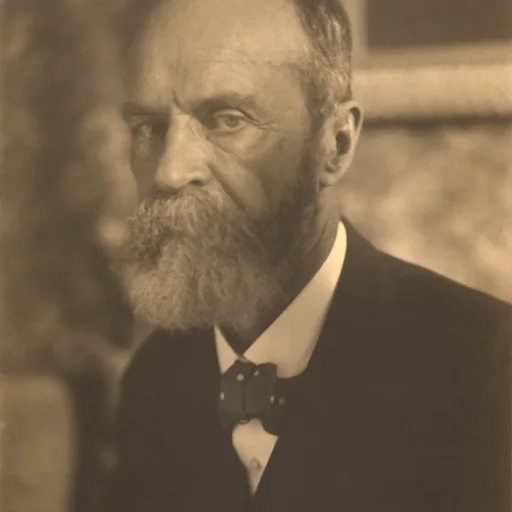
認識論の枠組みに対する批判的応答
批判哲学の枠組みへの応答と超越論的問いの継承
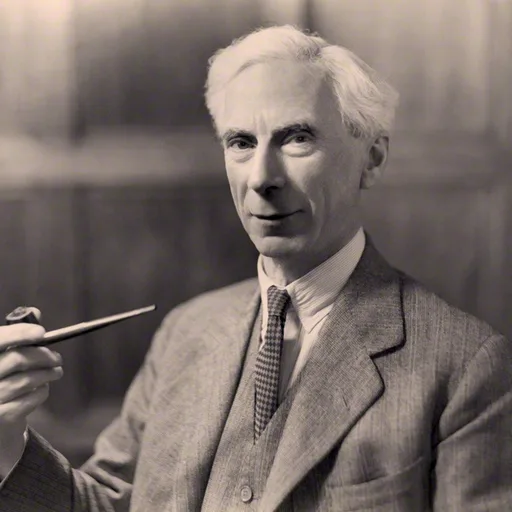
認識論の批判的継承

カントの道徳哲学を批判し価値の転換を主張

判断力論と政治哲学における公共性の概念に影響を受けた

認識の限界を画定するという方法論的態度の先行者

認識論的制約の設定者。ヘーゲルはカントの物自体の不可知性を批判的に超克しようとした

道徳の普遍化原則を討議的手続きとして再構成した

批判哲学の継承と「物自体」の批判的乗り越え

批判哲学、特に判断力批判の自己組織化概念

範疇論の出発点と、批判哲学からの方法論的影響

ケンブリッジ道徳科学トライポスの基礎

歴史的理性批判というプロジェクトの構想源

シェーマ概念の哲学的源泉。ピアジェの認識論は新カント主義的構造を持つ