Philosophers / Existentialism

Jean-Paul Sartre
France 1905-06-21 ~ 1980-04-15
20th-century French existentialist philosopher and playwright
Declared 'existence precedes essence' and systematized the philosophy of freedom and responsibility
The career view that present choices, not past attributes, define the self
France's foremost existentialist, Sartre held that existence precedes essence: we are defined by our choices. Being and Nothingness systematized radical freedom. He declined the 1964 Nobel Prize in Literature.
What You Can Learn
Sartre's thesis challenges anyone trapped by a fixed self-image: past credentials do not define you; your next choice does. "Bad faith" warns against hiding behind organizational logic to avoid personal judgment. Engagement -- the duty of the informed to act on social issues -- anticipates ESG commitments and social entrepreneurship. Recognizing that there is no escape from choice is harsh, yet it launches an authentically self-directed life.
Words That Resonate
A writer must not allow himself to be turned into an institution.
Un ecrivain ne doit pas se laisser transformer en institution.
Hell is other people.
L'enfer, c'est les Autres.
Man is condemned to be free.
L'homme est condamne a etre libre.
We are our choices.
Nous sommes nos choix.
Existence precedes essence.
L'existence precede l'essence.
Life & Legacy
Jean-Paul Sartre's greatest contribution was his uncompromising affirmation of human freedom. "Existence precedes essence" means we have no fixed nature; we become who we are through acts and choices. In post-war Europe, where old certainties lay shattered, this offered a new compass.
Born in Paris in 1905, Sartre lost his father at two and was raised among the books of his grandfather Karl Schweitzer. Despite severe strabismus he excelled at the Ecole Normale Superieure, topping the philosophy agregation. There he met Simone de Beauvoir; they rejected marriage, forging an open partnership embodying existentialist principles.
Berlin in the 1930s introduced him to Husserl's phenomenology. Nausea (1938) dramatized existential contingency. Under occupation he published Being and Nothingness (1943), defining consciousness as perpetually free. "Man is condemned to be free": every evasion is bad faith. No Exit's "Hell is other people" warns what happens when others' gazes define us.
Captured as a soldier and released, Sartre co-founded "Socialism and Liberty" and spent his life practicing engagement. Through Les Temps Modernes he championed Algerian independence, protested Vietnam, and backed May 1968. He refused the Nobel, insisting a writer must not become an institution.
Critics said radical freedom ignored social constraints. Structuralists questioned subject-primacy. Sartre turned to Marxism in Critique of Dialectical Reason (1960). He lost his eyesight in 1973 but continued dictating until his death in 1980. Fifty thousand Parisians marched at his funeral.
Expert Perspective
Sartre extended phenomenology into ontology, establishing existentialism as systematic philosophy. Building on Husserl and Heidegger, he pushed the pursuit of freedom to its limit. His unity of literary and philosophical expression seeded post-structuralism and feminist philosophy.
Related Books
Jean-Paul Sartre - Search related books on AmazonConnections
Influenced by

実存的現象学への展開

実存的現象学の出発点として決定的影響
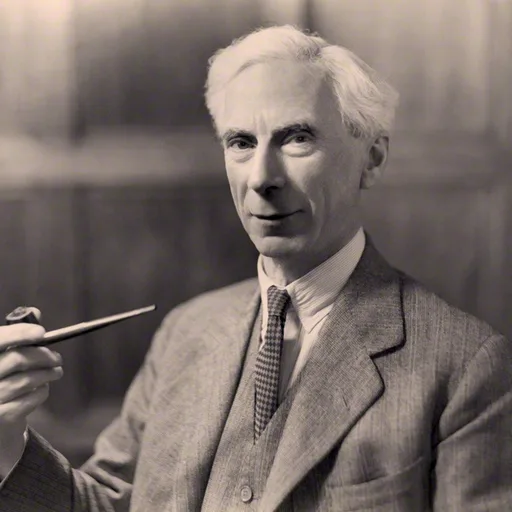
ベトナム戦犯法廷での協力

実存は本質に先立つというテーゼの源流

実存主義とマルクス主義の統合を試みた

コジェーヴ経由でヘーゲルの主人と奴隷の弁証法を実存主義に取り込んだ

カントの自律概念を実存主義的自由論に展開

実存主義の先駆として直接的影響

実存主義的自我論への遠隔的影響

同時代の友人にして論争相手