Philosophers / Stoicism
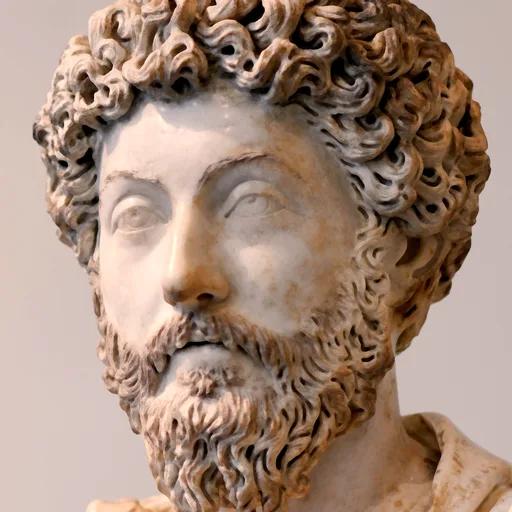
Marcus Aurelius
Italy 0121-04-25 ~ 0180-03-16
Philosopher-emperor of the Roman Empire, 2nd century
Authored 'Meditations' and left a practical manual of Stoic philosophy
The insight that 'judgment causes suffering' is the very foundation of CBT
Marcus Aurelius (121-180 AD), last of Rome's Five Good Emperors, wrote his Meditations in wartime camps. This private Stoic journal on inner freedom under pressure is still read by leaders and therapists worldwide.
What You Can Learn
Marcus's insight that judgments, not events, cause suffering is the core principle of cognitive behavioral therapy. Reframing interpretation defuses emotional reactivity to setbacks. His morning ritual of anticipating friction doubles as risk management. The maxim that the obstacle becomes the way prefigures the pivot mindset of startup founders. Most telling: the most powerful person on earth still practiced nightly self-dialogue, proving that leaders at every level gain from questioning their own judgments.
Words That Resonate
People seek retreats in the country, by the sea, in the mountains — but you can retire into yourself whenever you choose.
People seek retreats for themselves in the country, by the sea, in the mountains... but it is in your power whenever you choose to retire into yourself.
Begin each day by telling yourself: today I shall meet with interference, ingratitude, insolence, disloyalty, ill-will, and selfishness.
Begin each day by telling yourself: Today I shall meet with interference, ingratitude, insolence, disloyalty, ill-will, and selfishness.
Waste no more time arguing about what a good man should be. Be one.
The impediment to action advances action. What stands in the way becomes the way.
Everything depends on your judgment, and that judgment rests with you.
Τὰ ὅλα σοι δοκεῖ ἐν τοῖς κρίμασι· τὸ δὲ κρῖμα ἐπὶ σοί.
Life & Legacy
Marcus Aurelius Antoninus was that rarest of figures: a supreme ruler who wished he could trade the throne for a quiet study. Born into Roman nobility in 121 AD, he studied under scholars including Herodes Atticus and the rhetorician Fronto. The Stoic teacher Junius Rusticus gave him his lifelong principle: suffering comes not from events but from our judgments about them.
Ascending the throne at 40 after his adoptive father Antoninus Pius died in 161, Marcus faced a cascade of crises: war with Parthia, massive Germanic incursions along the Danube, and the Antonine Plague that killed millions. The Marcomannic Wars alone lasted over a decade, forcing him to command from front-line camps.
In those camps he wrote the Meditations, a private journal never meant for publication. It records nightly self-dialogue, training the mind against anger, fear, and vanity. The insight that 'you are disturbed not by events but by your judgments about events' anticipates cognitive behavioral therapy by nearly two millennia.
Marcus's Stoicism was practical. He told himself each morning to expect difficult people — not pessimism but mental preparation. This pause between stimulus and response foreshadows modern mindfulness. As emperor he cooperated with the Senate, reformed provincial governance, and expanded protections for slaves and orphans, yet Christians faced harsher persecution under his reign, complicating his legacy.
He died in March 180 in a military camp, age 58. His son Commodus became a notorious tyrant, but the Meditations survived. Since the Renaissance it has guided leaders from Frederick the Great to Bill Clinton, and now reaches Silicon Valley through Ryan Holiday's popular Stoicism writings.
Expert Perspective
Within Stoicism, Marcus alone tested Zeno and Chrysippus from supreme power. Epictetus taught inner freedom as a former slave; Marcus reached the same conclusions as emperor, proving Stoic ethics universal. The Meditations reads as a training journal, not a treatise.
Related Books
Marcus Aurelius - Search related books on AmazonConnections
Influenced by
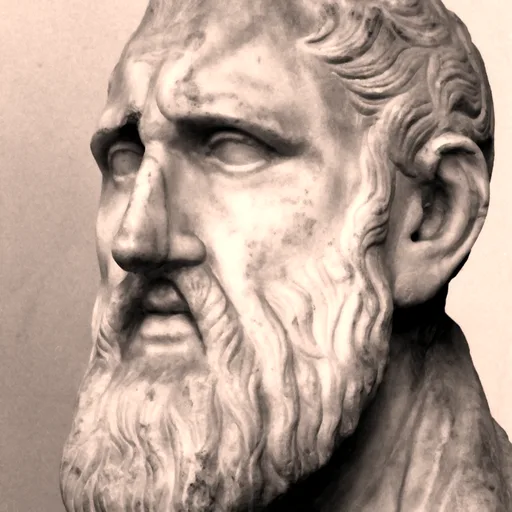
ストア派の創始者として間接的に影響
ストア哲学の精神的師匠。『語録』を愛読
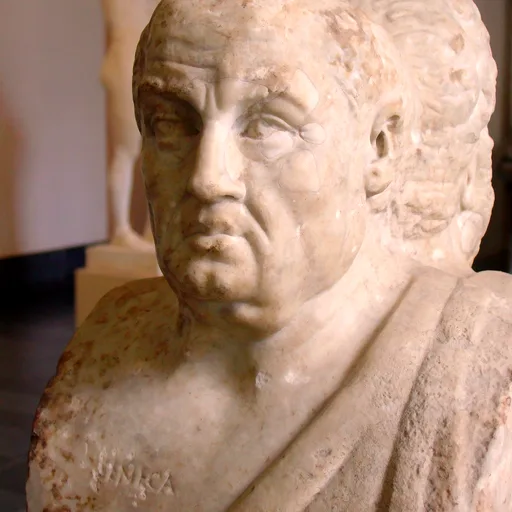
ストア派の実践を皇帝の立場で継承
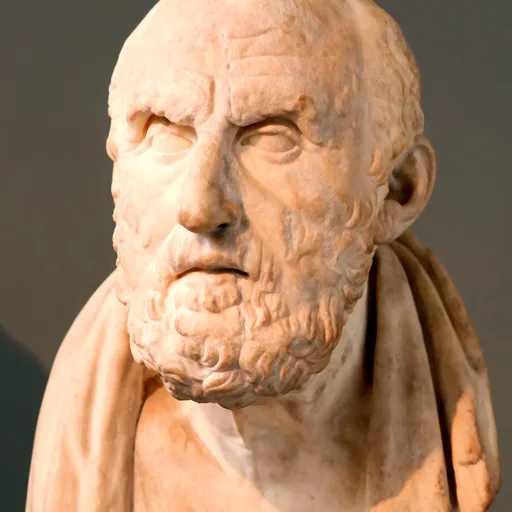
ストア派の理論体系の構築者

『自省録』で範例として記憶
エピクテトス経由で精神を継承
同時代のストア派、コスモポリタニズム

養子として後継し、ハドリアヌスの国境固定・行政路線を継続

五賢帝の系譜を継ぐ。トラヤヌスの孤児救済制度アリメンタを継承

養子にして後継者。『自省録』第1巻でアントニヌス父帝への深い感謝と模範視を表明


