Philosophers / Modern Western

Friedrich Nietzsche
Germany 1844-10-15 ~ 1900-08-25
19th-century German philosopher
Shook modern philosophy to its foundations with 'God is dead,' 'Ubermensch,' and 'eternal return'
After the collapse of absolute values, we are challenged to create our own
Prussian philosopher born in 1844 who became a Basel professor at 24, resigned due to illness, and produced "God is dead," the Ubermensch, and eternal recurrence -- ideas that shook modern philosophy to its core.
What You Can Learn
Nietzsche cuts deepest where old certainties collapse. "God is dead" spoke to the loss of absolutes; today, eroding institutional trust poses the same challenge. The Ubermensch -- creating one's own values -- translates into entrepreneurial self-definition. "What does not kill me makes me stronger" is resilience thinking's prototype. "No facts, only interpretations" is media literacy's core: recognizing perspective is the first step toward intellectual independence in the social-media age.
Words That Resonate
Whoever fights monsters should see to it that in the process he does not become a monster. And when you gaze long into an abyss, the abyss gazes also into you.
Wer mit Ungeheuern kämpft, mag zusehn, dass er nicht dabei zum Ungeheuer wird. Und wenn du lange in einen Abgrund blickst, blickt der Abgrund auch in dich hinein.
He who has a why to live can bear almost any how.
Wer ein Warum zu leben hat, erträgt fast jedes Wie.
God is dead! God remains dead! And we have killed him!
Gott ist todt! Gott bleibt todt! Und wir haben ihn getödtet!
There are no facts, only interpretations.
Es gibt keine Tatsachen, nur Interpretationen.
One must still have chaos in oneself to give birth to a dancing star.
Man muss noch Chaos in sich haben, um einen tanzenden Stern gebären zu können.
What does not kill me makes me stronger.
Was mich nicht umbringt, macht mich stärker.
Life & Legacy
Friedrich Wilhelm Nietzsche posed the most radical questions Western philosophy has ever faced. Born October 15, 1844, in Rocken, Prussia, to a Lutheran pastor who died when he was four, he knew grief and solitude early. His linguistic brilliance earned him a professorship in classical philology at Basel at twenty-four, before he had even completed his doctorate.
His debut, The Birth of Tragedy, read Greek drama through the lens of the Apollonian-Dionysian duality. Scholars called it undisciplined; posterity called it visionary. Chronic migraines and failing eyesight forced his resignation in 1879. Over the next decade, wandering through Switzerland, Italy, and southern France on a modest pension, he produced his most essential work.
Thus Spoke Zarathustra introduced the Ubermensch: a person who transcends inherited morality and creates values from within. The doctrine of eternal recurrence asks whether one could affirm the same life repeated forever -- a test of unconditional life-affirmation. Beyond Good and Evil and On the Genealogy of Morality exposed "master morality" and "slave morality," revealing how the weak rebranded their powerlessness as virtue through ressentiment. "God is dead" was less a boast of atheism than an alarm: with Christianity's collapse, nihilism loomed unless new values were forged.
Nietzsche's aphoristic, poetic style was itself a philosophical act -- a refusal of system-building that opened space for multiple readings. In January 1889 he suffered a mental breakdown in Turin and spent his remaining eleven years under family care. After his death in 1900 his sister Elisabeth distorted his legacy to serve nationalism, but scholars like Kaufmann and Bataille restored his actual positions, which explicitly opposed antisemitism.
His shockwaves run through Heidegger, Sartre, Foucault, Deleuze, Thomas Mann, and Freud. The question he left -- what to build after certainty is dismantled -- remains open.
Expert Perspective
Nietzsche dismantled post-Kantian idealism from within, rejected Plato's metaphysical dualism, affirmed becoming over being, and introduced genealogy as method. His work seeded existentialism and post-structuralism, a rare case of simultaneous upheaval in ontology, epistemology, and ethics.
Related Books
Friedrich Nietzsche - Search related books on AmazonConnections
Influenced by
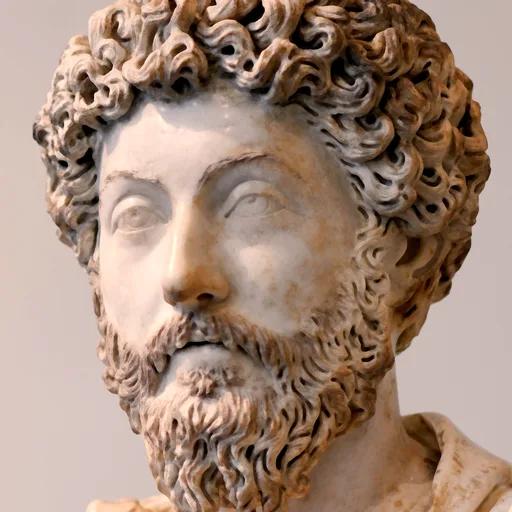
ストア的自己克服の概念に影響を受けた可能性
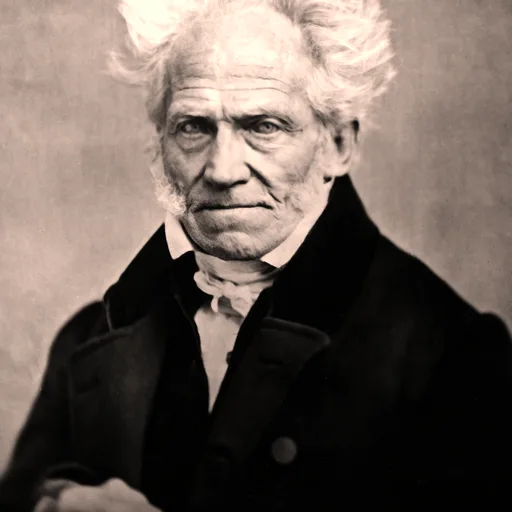
意志の概念を力への意志に変換
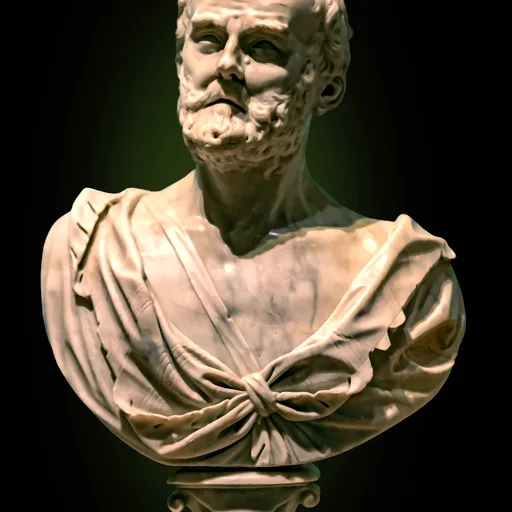
生成と闘争の哲学に共鳴

体系哲学への反抗と個人の実存の重視という共通性。直接的影響関係は限定的

批判的対話の対象。形而上学的二元論を否定する文脈で繰り返し参照

悲劇論への参照。古典文献学者としての出発点

ヘーゲル的歴史の目的論に対する根本的批判者

カントの道徳哲学を批判し価値の転換を主張

「キリスト教徒の最も偉大な代表」と認めた

『アメリカのデモクラシー』(1835/1840) でフェデラリスト・ペーパーズを民主制分析の基礎資料として参照
Influenced

形而上学の終焉という診断を継承・批判

実存主義の先駆として直接的影響
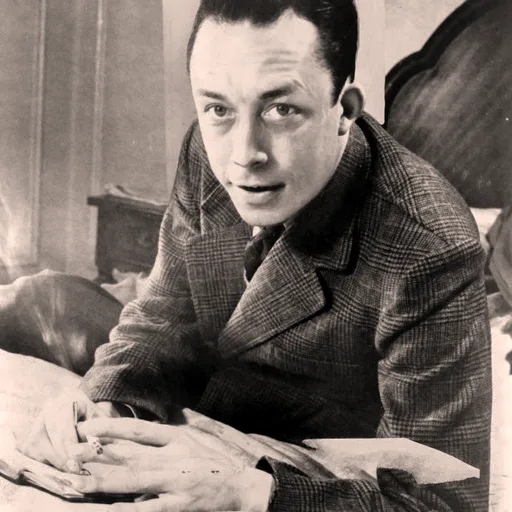
神の死後の価値創造と永劫回帰の思想が不条理哲学の前提を形成した

スタンフォード大学で師事し、模倣欲望理論が競争忌避の思想的基盤に

価値の問い直しにおける間接的影響

系譜学の方法論と権力概念の着想源
形而上学批判と系譜学的方法の着想源

持続と記憶の哲学

保守党の理想的指導者として彼女が常に参照した先達

弁証法。意識・思考・歴史の三位一体的把握の哲学的基盤

無意識的意志を強調する思想がリビドー論および死の欲動の哲学的先駆となった

『ツァラトゥストラ』を介した自己と影の概念、タイプ論のアポロ/ディオニュソス対比

「力への意志」概念を、優越追求と劣等の補償の理論的源泉として吸収