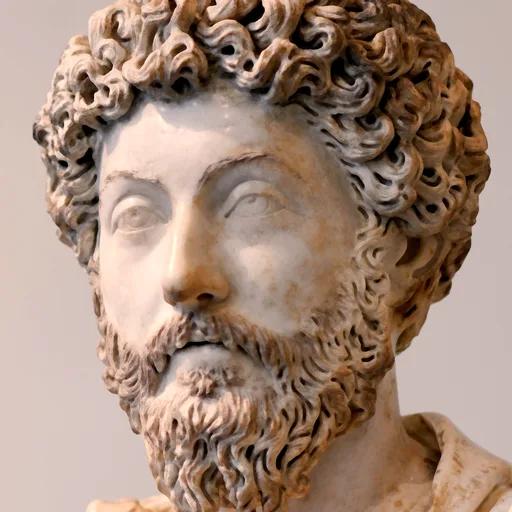
Philosophers / Ancient Greek

Plato
Greece -0428-01-01 ~ -0348-01-01
Philosopher of 5th-century BC Athens
Laid the foundation of Western philosophy with the Theory of Forms and dialogues, and founded the Academy
The allegory of the cave is the origin of thinking free from the 'shadows' of social media
Ancient Greek philosopher born c. 427 BC in Athens. Shaken by Socrates' execution, he founded the Academy and developed the Theory of Forms. Whitehead called all Western philosophy a series of footnotes to Plato.
What You Can Learn
The Cave allegory warns that information on our screens may be shadows, not substance. Asking what lies behind surface data improves business and investment judgment fundamentally. The Forms teach us to look past individual fluctuations for structural trends. And Plato's dialogue form is the prototype of coaching: drawing out insight through questions rather than directives, a leadership method that remains effective for modern teams seeking collective intelligence.
Words That Resonate
Unless philosophers rule as kings, or kings genuinely philosophize, there will be no end to troubles for states.
ean mē ē hoi philosophoi basileusōsin en tais polesin ē hoi basilēs te nun legomenoi kai dunastai philosophēsōsi gnēsiōs te kai hikanōs
The unexamined life is not worth living.
ho anexetastos bios ou biōtos anthrōpōi
I know that I do not know.
oidha ouk eidōs
There is no envy in the good.
agathou de oudeis phthonos
Imagine prisoners chained underground since childhood, seeing only shadows on a wall and taking them for reality.
The myth of the cave
Life & Legacy
Plato shaped Western philosophy's headwaters and has influenced thought for over 2,400 years. Born around 427 BC into Athenian aristocracy, his real name was Aristocles; Plato was a wrestling nickname. He was athletic enough to compete at the Isthmian Games and once considered politics.
Meeting Socrates around age 20 changed everything. When Athens sentenced Socrates to death in 399 BC for impiety, the 28-year-old Plato gained both a distrust of democracy and a need to define justice.
He then traveled to Egypt and southern Italy, absorbing Pythagorean mathematics and Parmenidean ontology. Around 387 BC he founded the Academy outside Athens, often called the West's first higher-learning institution; it lasted roughly nine centuries.
The Theory of Forms is Plato's core idea. Every beautiful object, he argued, participates in an eternal Form of Beauty. Particulars change; Forms do not. The Cave allegory in Republic VII captures the point: prisoners mistake wall shadows for reality, as people mistake sense data for truth.
In politics, the Republic argues that a wise philosopher should rule, a retort to the mob justice that killed Socrates. Plato tried to implement this at the court of Dionysius in Syracuse, failed, and was nearly sold into slavery.
His works are dialogues with Socrates as lead speaker, reflecting the belief that truth emerges through inquiry, not lecture. He died c. 347 BC. Aristotle critiqued and extended his legacy; Neoplatonism carried his ideas into Christian, Jewish, and Islamic thought.
Expert Perspective
Plato founded idealism, framing Western ontology and epistemology. He expanded Socrates' ethical questioning into a structural theory of reality while laying the ground for Aristotle's empiricist critique. His sensible-intelligible divide shaped Christian theology, Descartes, and Kant.
Related Books
Plato - Search related books on AmazonConnections
Influenced by
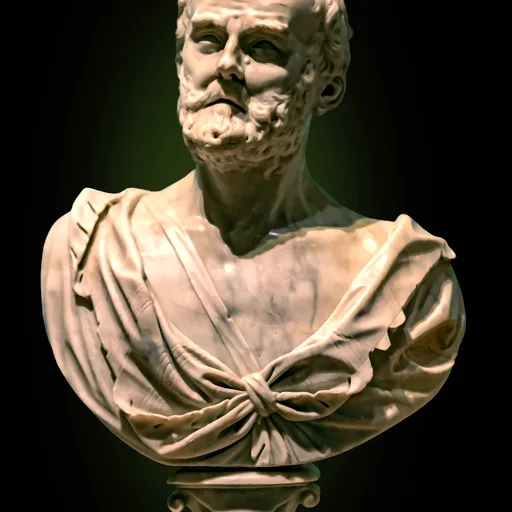
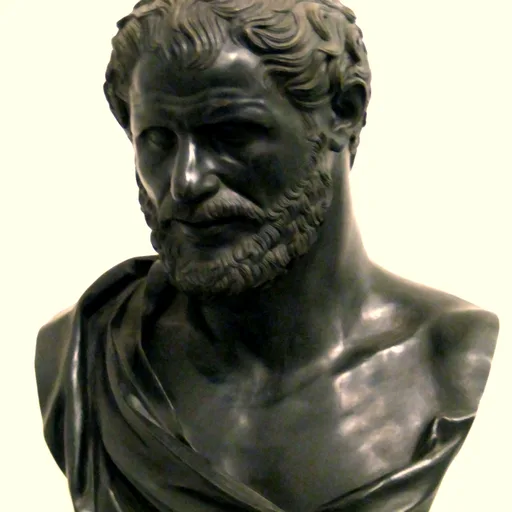


Influenced

批判的対話の対象。形而上学的二元論を否定する文脈で繰り返し参照

イデア論を批判的に参照、反プラトン主義の立場を形成

理想国家論の系譜にあるが、マルクスは物質的条件からの社会変革を主張

超越論的観念論の構築においてイデア概念を批判的に再解釈
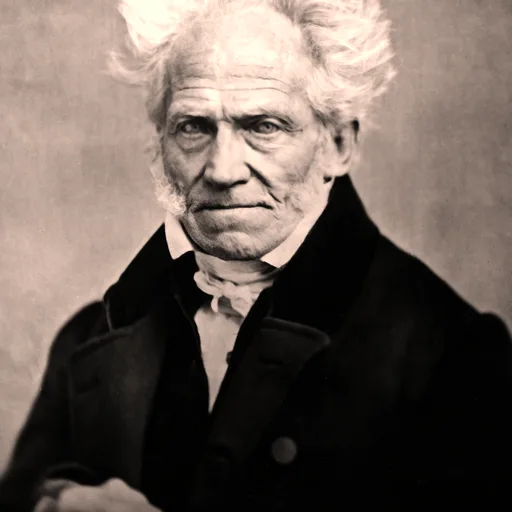
イデア論を表象論に取り込んだ

弁証法的思考の源流としてプラトンの対話法を参照
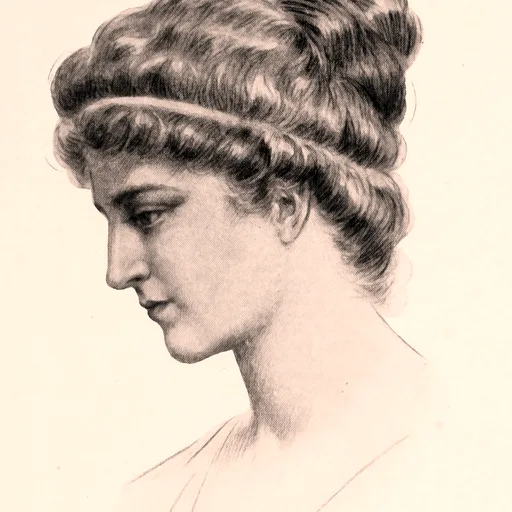
新プラトン主義の源流であり、ヒュパティアが講じた哲学の中核
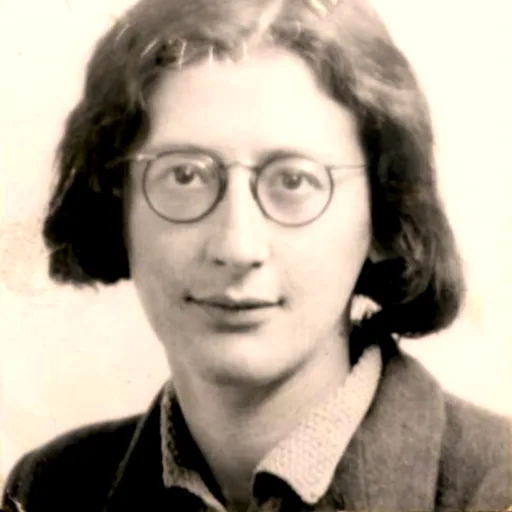
善のイデア論と洞窟の比喩がヴェイユの超越的実在論の基盤となった
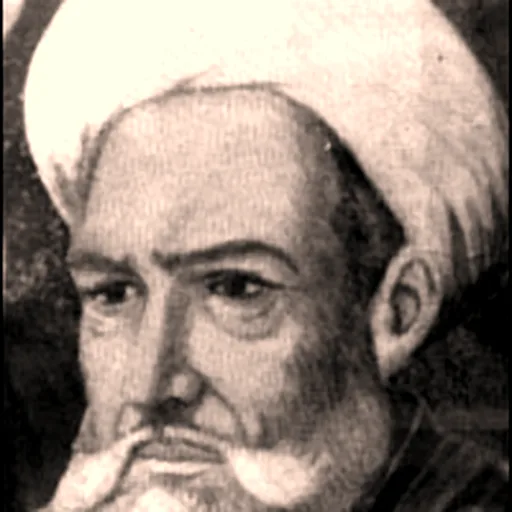
政治哲学における理想国家論と哲人王の構想を継承

直接の弟子。イデア論を批判的に継承し経験主義的哲学を展開

対話篇の形式からの影響。ただし本質主義には批判的
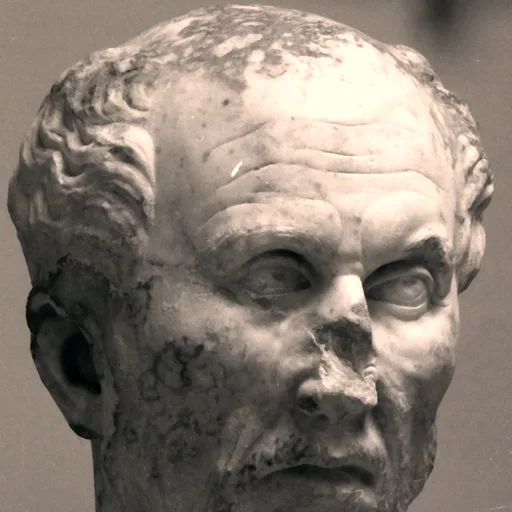
イデア論と善のイデアを流出論の基盤として継承・発展させた

全著作の根源、注釈の対象

翻訳と注釈の対象、哲学的師匠

対話的方法と懐疑主義

形相と可知性についての影響

自決前夜に『パイドン』を読み返した

『ティマイオス』への注釈書

「ヨーロッパ哲学はプラトンへの脚注」

対話としての哲学の原型

新アカデメイア派フィロンを通じて懐疑主義的方法論と『国家論』の構想を継承