Philosophers / Ancient Greek

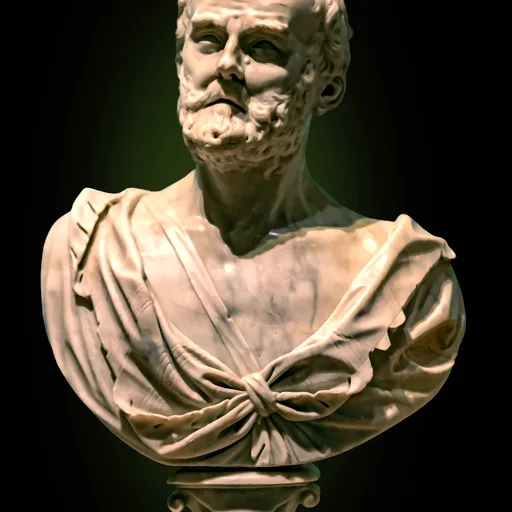
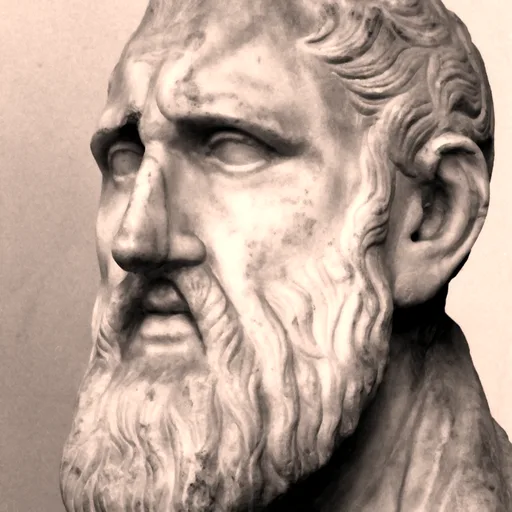
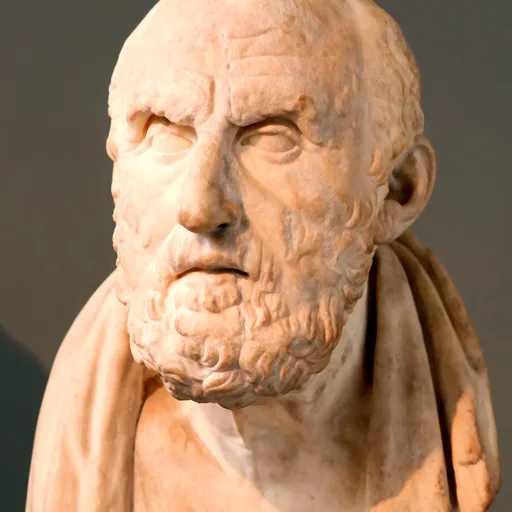
Socrates
Greece -0469-01-01 ~ -0398-02-10
Philosopher of 5th-century BC Athens
Made others aware of their ignorance through dialectic and placed 'living well' at the center of philosophy
The attitude of continually asking 'is that really so?' is the prototype of critical thinking
Fifth-century BC Athenian philosopher who wrote nothing yet transformed Western thought. Through questioning in the agora he shifted philosophy from cosmology to ethics, making the examined life its central pursuit.
What You Can Learn
Socratic questioning is the prototype of critical thinking in business. Asking "Is that true?" and "What is the evidence?" counters groupthink and sharpens decisions. For leaders, admitting ignorance outside their expertise guards against overconfidence. In coaching, drawing out the client's own insight through questions is a foundational method. His insistence on the examined life reminds professionals to audit their values and habits rather than drifting on autopilot.
Words That Resonate
I am not an Athenian or a Greek, but a citizen of the world.
I know that I am intelligent, because I know that I know nothing.
It is not living that matters, but living rightly.
I know that I know nothing.
hen oida hoti ouden oida
The unexamined life is not worth living.
ho de anexetastos bios ou biotos anthropo
No one desires evil.
Life & Legacy
Socrates redirected Western philosophy. Born around 470 BC to a stonemason and a midwife, he grew up in democratic Athens. While contemporaries debated the cosmos's origins, he asked what it means to live well.
He served as a soldier in the Peloponnesian War, showing courage at Potidaea and Delium. Yet the agora defined him. The Delphic oracle declared no one wiser; puzzled, he tested the claim by questioning politicians, poets, and craftsmen, finding they could not justify what they believed they knew.
He refined elenchus, his cross-examination method. Starting from an assertion, he traced its logical implications until contradictions surfaced. Rather than lecturing, he used questions to help others reach insight, a technique he called midwifery after his mother's craft. His core conclusion: recognizing ignorance is the start of wisdom.
He held that virtue is knowledge: wrongdoing stems from ignorance, not malice. This intellectualist stance implied radical optimism, later challenged by Aristotle's concept of weakness of will. Yet Socrates framed the debate that ethics has never left.
In 399 BC he was tried for impiety and corrupting youth. Convicted, he refused escape, reasoning in Plato's Crito that fleeing would betray the justice he taught. He drank hemlock.
His death galvanized students. Plato recorded the dialogues and founded the Academy, which produced Aristotle. A stonemason's son questioning in the marketplace set off the chain reaction that built Western intellectual tradition.
Expert Perspective
Socrates marks the turn from natural philosophy to ethics. Pre-Socratics sought the cosmos's material origin; he asked how to live. His ignorance is the ancestor of principled skepticism; his intellectualism launched the virtue tradition continued by Plato, Aristotle, and the Stoics.