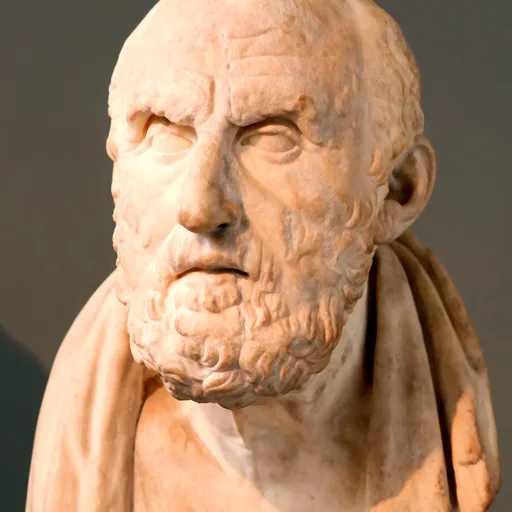
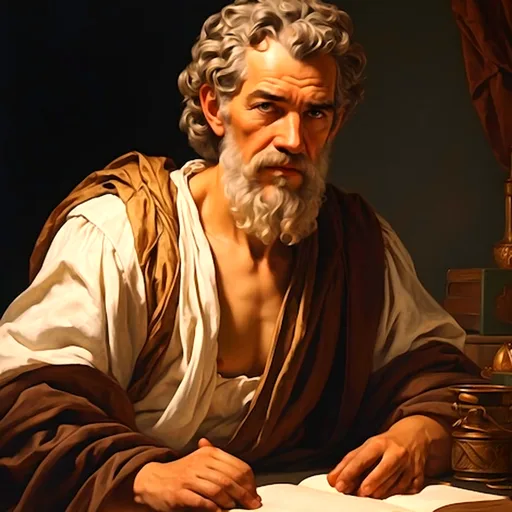
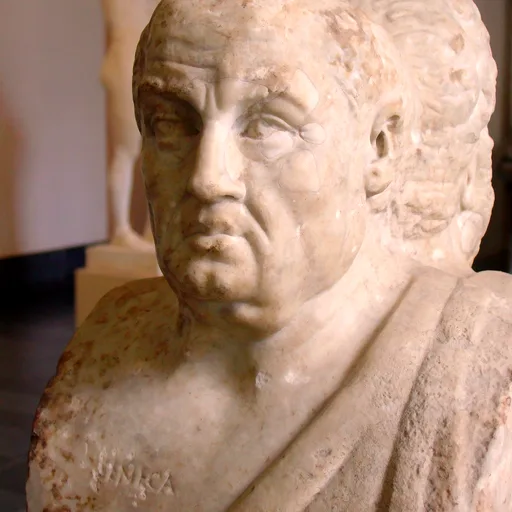
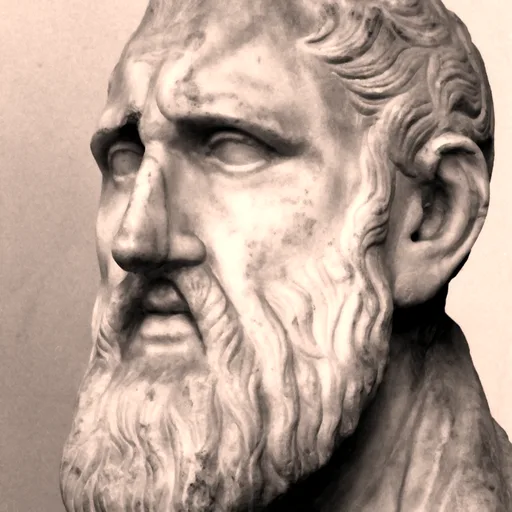
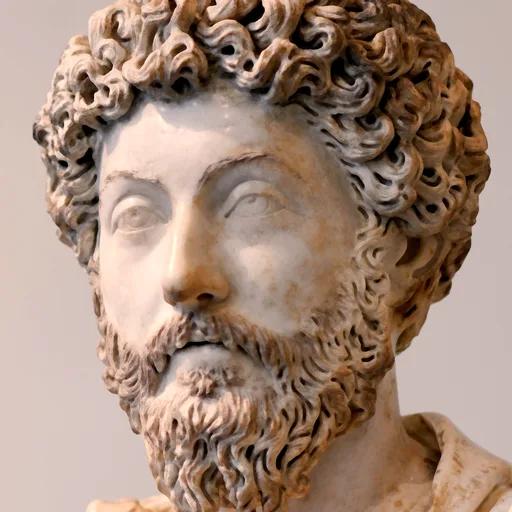
Philosophers / Medieval

Boethius
Italy 0480-01-01 ~ 0524-01-01
Born c. 480 in Rome, Boethius rose to consul and magister officiorum under Theodoric the Great. The Consolation of Philosophy, written in prison awaiting execution, became one of the most read books of the Middle Ages.
What You Can Learn
The most practical lesson Boethius offers a modern reader is that the worst circumstances do not strip away thought and expression. He wrote the Consolation in a death cell. That is the classical case of keeping language and intellect alive through layoff, divorce, bankruptcy, illness, or any sudden collapse. The technique of focusing on what remains rather than counting what was lost lines up directly with Stoic resilience, modern cognitive behavioural therapy, and mindfulness. His unfinished translation project.
Words That Resonate
O thou who governest the world by everlasting reason.
O qui perpetua mundum ratione gubernas.
Happy is he who could see the bright fountain of the good.
Felix qui potuit boni fontem visere lucidum.
In every adversity of fortune, the most unhappy kind of misfortune is to have been happy.
In omni adversitate fortunae infelicissimum est genus infortunii fuisse felicem.
If you wish to see the laws of high thunder with a pure and skilful mind, look upon the summits of the highest heaven.
Si vis celsi iura tonantis pura sollers cernere mente, aspice summi culmina caeli.
Life & Legacy
Anicius Manlius Severinus Boethius stood at the seam between antiquity and the Middle Ages, carrying the intellectual inheritance of one age across into the next. He set out to translate all of Plato and Aristotle into Latin, was struck down before he could finish, and wrote the Consolation of Philosophy in his prison cell awaiting execution. Greek philosophy reached medieval Europe largely through his hands, which is why he is remembered as "the last Roman philosopher and the first scholastic theologian."
Born around 480 into the patrician Anicii in Rome, he lost his consul father young and was raised by Quintus Aurelius Memmius Symmachus, whose daughter Rusticiana he later married. He achieved a mastery of Greek unusual in the Latin West, leading some scholars to argue he must have studied in Alexandria under Ammonius Hermiae. From early in his career he worked to translate and comment on Plato and Aristotle.
Under the Ostrogothic king Theodoric he rose quickly: senator at twenty-five, consul by 510, and in 522 saw both his sons appointed consuls together — a rare honour — while he himself became magister officiorum, head of palace and government affairs. Within a year his fall began. When the senator Albinus was accused of treasonous correspondence with Justin I, Boethius defended him publicly: if Albinus were guilty, then so was the entire Senate. The reply turned the charge against him.
In 523 he was imprisoned at Pavia. He was executed in 524 — sources describe a rope around his head tightened until his eyes bulged, then his skull crushed. While awaiting that end he wrote the Consolation of Philosophy, a five-book dialogue in which Lady Philosophy appears in his cell and discusses fortune, true happiness, providence, and human freedom in alternating prose and verse. King Alfred, Chaucer, and Elizabeth I all translated it; few books shaped the medieval mind so deeply.
His translation programme was unfinished, but his Latin renderings of Aristotle's.
Expert Perspective
Boethius is the one-man bridge between classical Greek philosophy and Latin scholasticism. He was the only channel for Aristotelian logic in Western Europe until the twelfth century, and the medieval problem of universals would not have taken its shape without his commentaries. The Consolation of.