Economists / pre_modern

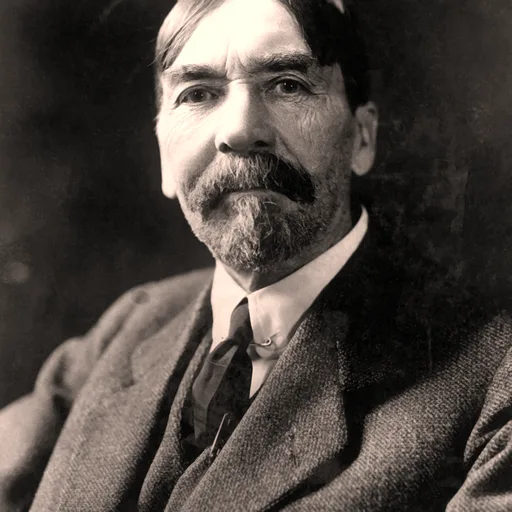
Ibn Khaldun
TN 1332-06-04 ~ 1406-03-26
Born 1332, Tunis. Vizier across North African dynasties. Wrote the Muqaddimah in 1377, explaining civilizational cycles through asabiyyah. Pioneer of sociology and economics, rediscovered in the nineteenth century.
What You Can Learn
Ibn Khaldun's asabiyyah concept is the deepest precursor of organizational lifecycle theory. Companies growing through founders' solidarity lose vitality via bureaucratization, mirroring his dynastic cycle. His argument that excessive taxation destroys incentive remains cited as the Laffer Curve's ancestor in policy debate. His framework analyzing rise and fall through institutional dynamics remains valid for macro investment analysis of country risk.
Words That Resonate
Life & Legacy
Ibn Khaldun systematically theorized civilizational rise and decline centuries before Western social science. His Muqaddimah analyzed history through structural social laws rather than chronicles.
Born 1332 in Tunis to a family of Andalusian origin. Lost both parents to the Black Death of 1348-49. Served as vizier and diplomat across North African and Iberian dynasties, gaining unmatched knowledge of power dynamics through repeated palace intrigues.
In 1377 he withdrew to a remote Algerian fortress and wrote the Muqaddimah in five months. He redefined history as science investigating structural laws. His central concept, asabiyyah (group solidarity), explains dynastic cycles: nomads with strong solidarity conquer and found dynasties; urban luxury erodes solidarity within three generations until fresh conquerors displace them. This was the first systematic theory of civilizational change through internal social mechanics.
His economics was equally pioneering: labor as value's source, productivity from specialization, and excessive taxation destroying incentive and reducing revenue. This last argument directly prefigures the Laffer Curve, cited by Reagan-era economists. He also analyzed urban-rural economic interdependence.
He later served as chief Maliki judge in Mamluk Cairo and met Tamerlane during the 1401 Damascus siege. Died 1406, aged seventy-three. Rediscovered by nineteenth-century Western scholarship, he is now recognized as a forerunner of Durkheim and Weber in sociology and among the most important economic thinkers before Adam Smith. His intellectual legacy demonstrates that rigorous social science emerged independently outside Europe.
Expert Perspective
Ibn Khaldun theorized labor value, specialization gains, and revenue-destroying effects of excessive taxation centuries before Western economics. His taxation argument influenced supply-side economics via the Laffer Curve. His cyclical theory prefigures institutional economics.