Entrepreneurs / Industrial Pioneer
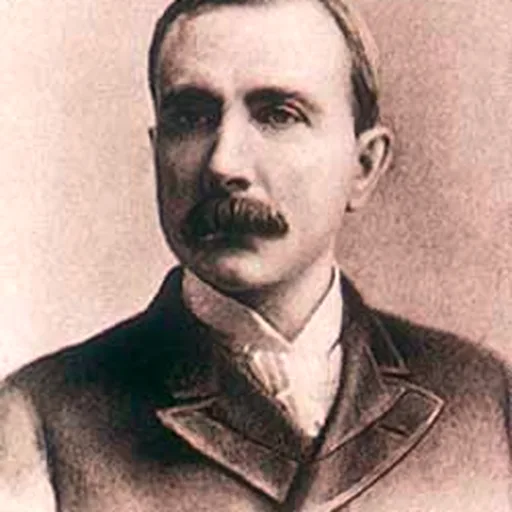
John D. Rockefeller
United States 1839-07-08 ~ 1937-05-23
19th-century American oil magnate and philanthropist
Controlled 90% of U.S. oil supply through Standard Oil
The vision to oversee the entire value chain is the prototype of platform management
John D. Rockefeller (1839-1937) founded Standard Oil in 1870 and controlled 90% of U.S. refining at its peak. After becoming America's first billionaire, he pioneered systematic philanthropy in medicine and education.
What You Can Learn
Rockefeller's key lesson is value-chain thinking. He dominated not by drilling but by controlling refining, transport, and distribution. Today's platform businesses follow the same logic. Startups can find their most efficient process and expand outward. His antitrust breakup shows unchecked monopoly invites regulation. His foundation model, delegating giving to experts, anticipated ESG frameworks and the Giving Pledge.
Words That Resonate
Competition is a sin.
Don't be afraid to give up the good to go for the great.
Singleness of purpose is one of the chief essentials for success in life, no matter what may be one's aim.
The growth of a large business is merely a survival of the fittest.
I believe the power to make money is a gift of God.
Life & Legacy
John D. Rockefeller matters for two reasons: he perfected the vertically integrated industrial model and invented modern systematic philanthropy. The label 'oil baron' captures only half the story.
Born in 1839 in Richford, New York, he grew up modestly. His father was often absent; at 16 he took a bookkeeping job that instilled the cost discipline that later built his empire. At 20 he entered commodity trading, accumulating capital during the Civil War.
In 1863 he invested in a Cleveland refinery; in 1870 he incorporated Standard Oil. His strategy was vertical integration: he built pipelines, manufactured barrels, and negotiated rail contracts that undercut competitors. By the 1880s Standard Oil controlled about 90% of U.S. refining, delivering kerosene cheaply and consistently.
Ida Tarbell's investigative journalism exposed his tactics as predatory monopoly. In 1911 the Supreme Court broke Standard Oil into 34 companies, predecessors of ExxonMobil and Chevron. Yet Rockefeller's shares in the successor firms only made him richer — his fortune reached roughly 2% of U.S. GDP.
A devout Baptist who tithed from his first paycheck, Rockefeller systematized giving through expert-run foundations. The Rockefeller Institute helped eradicate hookworm and yellow fever; his gifts to the University of Chicago and Rockefeller University reshaped research infrastructure.
His legacy stays polarizing: cheap products for consumers versus crushed competitors, vast charity funded by monopoly profits. That tension keeps his case a living reference for debates on industrial capitalism.
Expert Perspective
Rockefeller exemplifies vertical integration: controlling every link from raw material to consumer. Unlike Carnegie or Morgan, his edge was end-to-end supply chain dominance. This influenced Ford and prefigures platform economics. His systematic philanthropy began the lineage to the Giving Pledge.