Economists / protectionist

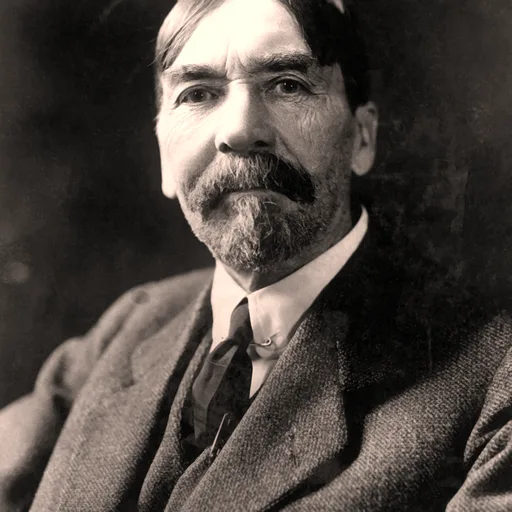
Friedrich List
Germany 1789-08-06 ~ 1846-11-30
Born 1789, Reutlingen. German economist and political activist who challenged classical free trade theory. Advocated protective tariffs for developing nations through his infant industry argument. His National System influenced Meiji Japan and East Asian industrialization strategies.
What You Can Learn
List's infant industry argument is the direct theoretical foundation of export-oriented industrialization strategies adopted by postwar Japan, Korea, Taiwan, and China. His emphasis on productive powers over exchange value functions as the intellectual prototype for modern human capital investment, strategic industrial policy, and national innovation systems. As criticism mounts globally that free trade's benefits are not equally distributed, List's fundamental question about balancing trade openness with domestic industrial development has re-emerged at the center of international economic policy debate with unprecedented contemporary relevance.
Words That Resonate
Life & Legacy
Friedrich List challenged Adam Smith's free trade orthodoxy with the most systematic theoretical defense of protectionist industrialization for developing nations. His National System of Political Economy (1841) became the intellectual foundation for catch-up industrialization from Bismarck's Germany to postwar East Asia.
Born 1789 in Reutlingen, Wurttemberg, son of a tanner. Rose through civil service without formal university education, was appointed professor of political science at Tubingen, then expelled from the Wurttemberg parliament for radical reform proposals. Exiled to America in 1825, he engaged in coal mining and railroad ventures in Pennsylvania, studying the Hamiltonian protectionist system firsthand. This American experience provided the empirical foundation for his later theoretical work.
His 1841 magnum opus criticized Smith and Ricardo as cosmopolitan economists whose theories served only nations already industrialized. His core argument: free trade permanently locks developing nations into agricultural commodity supply unless temporary protective tariffs nurture infant industries until domestic productive capacity matures.
List's originality lies in his concept of productive powers. Where Smith emphasized exchange value, List argued that a nation's aggregate productive powers, including education, technology, institutions, and social capital, constitute the true foundation of national wealth. This perspective directly prefigures modern human capital theory and endogenous growth theory.
He proposed developmental stages through which nations progress, arguing protection is justified only during the transition to industrial maturity. He championed the Zollverein (German customs union) and railroad construction as physical infrastructure for national economic integration.
Suffering financial ruin and political isolation, he took his own life at Kufstein in 1846, aged fifty-seven. Despite this tragic end, his ideas shaped Bismarck's protectionist policies, Meiji Japan's industrialization, and East Asian development strategies that produced the twentieth century's most dramatic economic transformations.
Expert Perspective
List was the most systematic theoretical challenger to classical free trade, founding national economics through his infant industry argument. His productive powers concept prefigures human capital and endogenous growth theory. His developmental stages model is the prototype of development economics. As forefather of the German Historical School and primary intellectual influence on East Asian industrialization strategy, he occupies a unique position in economic thought.