Artists / Impressionism
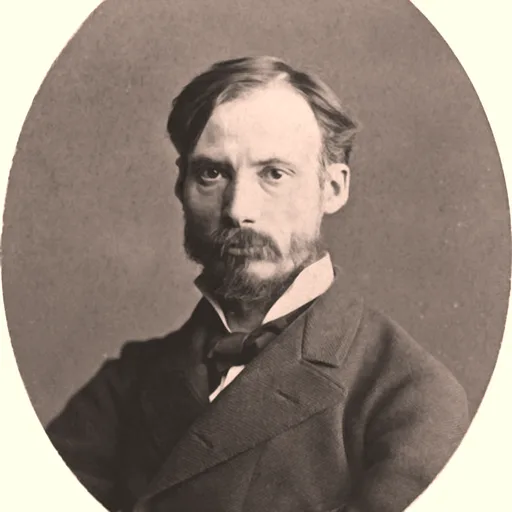
Pierre-Auguste Renoir
France 1841-02-25 ~ 1919-12-03
French Impressionist painter born in Limoges in 1841, known as the painter of happiness
Captured the joy of dancing figures in dappled sunlight in Dance at Le Moulin de la Galette
His lifelong devotion to beauty and color, sustained even through crippling arthritis, insists that pleasure is a legitimate subject for serious art
Born in Limoges in 1841, Renoir earned the title painter of happiness. His Dance at Le Moulin de la Galette captures dappled sunlight on dancing figures, embodying Impressionism's most joyful spirit.
What You Can Learn
Renoir offers warm lessons. His commitment to beauty when anguish was favored parallels the design of positive customer experiences and wellness-oriented products. His painting despite crippling arthritis is a pinnacle of resilience. And his sour-period detour into classicism, which enriched his late style, shows how a temporary retreat can lead to a richer synthesis, relevant to any creative professional navigating a career plateau.
Words That Resonate
I arrange my subject as I want, then I begin to paint it like a child.
J'arrange mon sujet comme je veux, puis je me mets à le peindre comme un enfant.
Pain passes, but beauty remains.
La douleur passe, la beauté reste.
Why should art not be pretty? There are enough unpleasant things in the world.
Pourquoi l'art ne serait-il pas joli? Il y a assez de choses embêtantes dans le monde.
Life & Legacy
Pierre-Auguste Renoir holds a unique position because he channeled Impressionism's exploration of light into the depiction of human pleasure, translating the joy of living into color with unmatched warmth. While Monet focused on landscape and Cezanne on structure, Renoir devoted himself to the human figure, especially the female body and its smile.
Born February 25, 1841, in Limoges to a tailor's family, he moved to Paris as a child. As a teenager he worked as a porcelain painter, an experience that cultivated his decorative color sense and brush control. When machine printing threatened the craft, he turned to fine art, entering the Ecole des Beaux-Arts and Gleyre's studio in 1862, where he met Monet, Sisley, and Bazille.
He exhibited at the first Impressionist show in 1874. Dance at Le Moulin de la Galette (1876) depicts an outdoor dance hall in Montmartre under dappled sunlight, the interplay of light and shadow on skin and fabric epitomizing the happiest expression of Impressionist aesthetics.
In the early 1880s Renoir entered what he called his sour period. Worried that Impressionist brushwork was dissolving form, he traveled to Italy in 1881, was struck by Raphael's draftsmanship and Pompeian frescoes, and temporarily adopted firmer contours. The Large Bathers synthesized Impressionist color with classical line. This experiment laid the groundwork for his late style.
In his final decades severe rheumatoid arthritis deformed his hands. He had brushes strapped to his wrists and continued to paint at his studio, Les Collettes, near Cagnes-sur-Mer. The late nudes, warm-toned and voluptuous, represent the summit of his coloristic joy. Matisse called them paintings that capture the scent of a woman through color alone.
He died December 3, 1919, at seventy-eight. His son Jean became one of France's greatest film directors. Renoir's legacy insists that visual pleasure and the celebration of life are legitimate, even essential, subjects for serious art.
Expert Perspective
Renoir channeled Impressionist light into figure painting and the nude, achieving an unmatched expressiveness of color and flesh. Where Monet pursued landscape and Cezanne structure, Renoir focused consistently on the human body and smile. His late warm-toned nudes directly influenced Matisse, and his insistence that painting should be a celebration of happiness is a defining stance of the Impressionist movement.