Investors / Value Investing
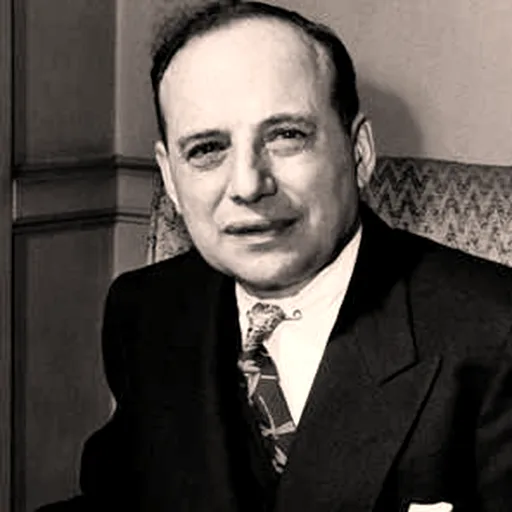
Benjamin Graham
United States 1894-05-09 ~ 1976-09-21
Father of value investing, 20th-century America
Systematized rational investing through 'margin of safety' and 'Mr. Market'
An intellectual framework for tuning out market noise is the first step in investing
Benjamin Graham (1894-1976), the father of value investing, wrote Security Analysis and The Intelligent Investor. His margin-of-safety and Mr. Market concepts shaped Buffett and generations of disciplined investors.
What You Can Learn
Graham's lessons gain force in an era of meme stocks and algorithmic trading. The Mr. Market parable is the clearest mental model for ignoring social-media hype. His margin-of-safety rule means never buying at inflated valuations, however compelling the narrative. His late endorsement of index funds anticipated the low-cost passive revolution decades ahead. Above all, his warning that the investor's worst enemy is himself speaks to anyone tempted by FOMO in a market driven by crowd psychology.
Words That Resonate
In the short run, the market is a voting machine but in the long run, it is a weighing machine.
The margin of safety is always dependent on the price paid.
The individual investor should act consistently as an investor and not as a speculator.
Have the courage of your knowledge and experience. If you have formed a conclusion from the facts and if you know your judgment is sound, act on it — even though others may hesitate or differ.
The investor's chief problem — and even his worst enemy — is likely to be himself.
An investment operation is one which, upon thorough analysis, promises safety of principal and an adequate return. Operations not meeting these requirements are speculative.
Life & Legacy
Benjamin Graham brought intellectual rigor to a market long driven by speculation. By separating investing from gambling and turning security analysis into a discipline, he earned the title 'father of value investing.'
Born Benjamin Grossbaum in London in 1894, he emigrated to New York as a child. His father died when he was nine; his mother lost further savings in margin trading. That early encounter with ruin planted the seeds of his lifelong focus on downside protection. He attended Columbia on a scholarship, graduating at 20 with offers to teach math, philosophy, and English — yet chose Wall Street.
The 1929 crash nearly destroyed his partnership, forging the core of his theory: short-term the market is a voting machine; long-term it is a weighing machine. In 1934 he and David Dodd published Security Analysis, teaching investors to compare intrinsic value with market price.
His 1949 Intelligent Investor repackaged those ideas for general readers. The Mr. Market parable — an emotional partner who offers wildly varying prices daily — taught investors to exploit mood swings, not follow them. The margin-of-safety principle demanded buying only well below intrinsic value.
At Columbia Business School, Graham trained an exceptional generation. Warren Buffett, who earned the only A+ in his class, called Graham the second most influential person in his life. Fellow alumni Kahn, Schloss, and Ruane all beat the market long-term, providing a practical refutation of efficient-market theory.
In later years Graham championed index funds, anticipating the passive revolution Bogle would launch. He died in 1976 at 82. His principles — buy below value, master your emotions, insist on a margin of safety — remain the bedrock of sound investing.
Expert Perspective
Graham sits at the headwaters of value investing. Even as growth and momentum dominate, his method of calculating intrinsic value, buying below it, and demanding a safety margin remains the start for serious equity analysis. His downside-first focus gains relevance when uncertainty spikes.
Related Books
Benjamin Graham - Search related books on AmazonConnections

Influenced

バリュー投資と安全域の基本概念

コロンビア大学MBAで学んだバリュー投資の学術的基盤
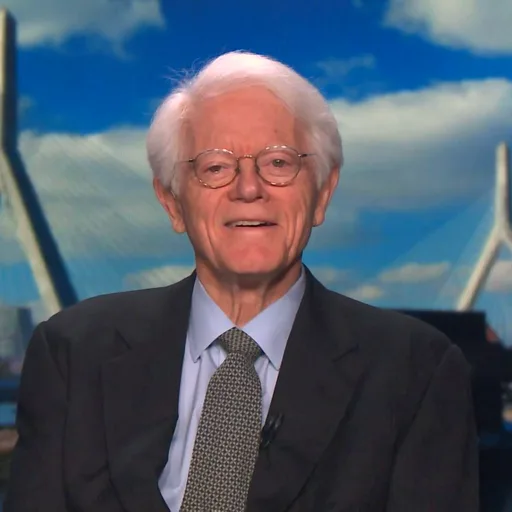
バリュー投資の基礎理論を提供

効率的な市場における低コスト運用の思想的先駆者

バリュー投資の基本原理、安全域の概念の源流
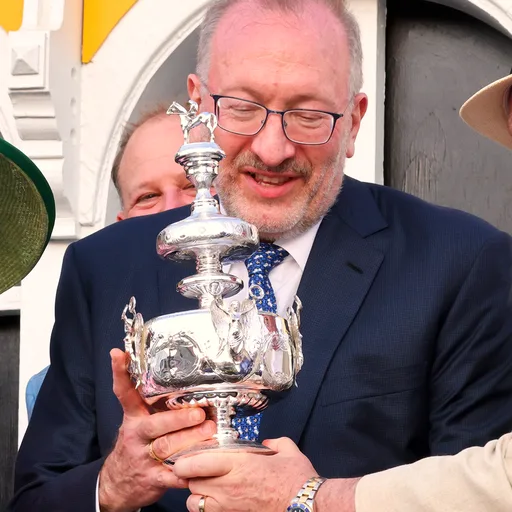
安全マージンの概念を継承し、現代の複雑な市場環境に拡張適用

バリュー投資の知的基盤

ファンダメンタルズ分析の基本的な枠組み

バリュー投資の理論的基盤

コロンビア大学の教え子、バリュー投資の継承者

コロンビア大学ビジネススクールのバリュー投資の系譜

バリュー投資の基本原則と安全マージンの概念からの間接的影響
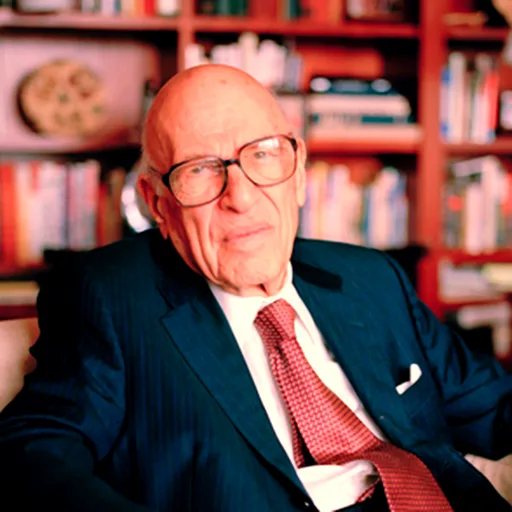
投資講座の直接の受講者であり、グレアム・ニューマン社での実務経験

バリュー投資の基本原理、証券分析のアプローチ

バリュー投資の理論的基盤
.webp)
バリュー投資の原理を提供、安全域概念の影響

安全マージンの概念をディストレスト投資に応用
バリュー投資の祖として間接的な影響

グレアムの思想を基盤に独自の投資哲学を構築
