Investors / Value Investing
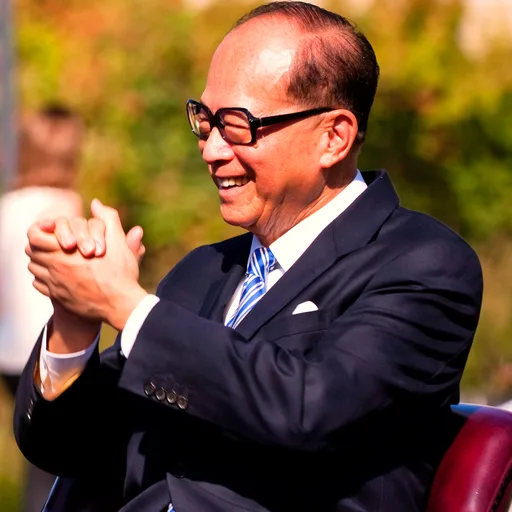
Li Ka-shing
CA 1928-06-13
20th-century Hong Kong industrialist and investor
Built one of Asia's largest conglomerates from a plastic flower factory
The discipline of buying in crisis and selling in prosperity is the essence of long-term investing
Born in 1928 in Guangdong, Li Ka-shing fled to Hong Kong at 12 and built CK Hutchison into a global conglomerate. Forbes valued his wealth at $37.3B in 2024. He runs the world's second-largest private foundation.
What You Can Learn
Li shows that crises are opportunities for the prepared. His 1967 land buys and 2010s shift from Chinese property to European infrastructure both exemplify contrarian action at peak fear or complacency. For long-term investors: do not panic-sell in downturns. His geographic diversification applies to personal portfolios; global equities and REITs reduce concentration risk. His frugality echoes a universal rule: control spending regardless of income growth.
Words That Resonate
Life & Legacy
Li Ka-shing personifies postwar Hong Kong's rise. A refugee child who became one of the world's richest people, his arc traces the transformation of a colonial port into a global financial hub.
Born in 1928 in Chaozhou, Guangdong, to a teaching family, Li fled to Hong Kong in 1940 to escape war. His father soon died, forcing the 12-year-old to work in a watchband factory. He taught himself English and accounting, excelled in sales, and was reportedly promoted to plant manager at 17.
In 1950 he founded Cheung Kong Plastics, succeeding with plastic flowers, then reinvested profits into real estate. When 1967 riots crashed property prices, Li bought while others fled. That contrarian bet laid the foundation of his empire; assets multiplied as calm returned.
In 1979 he became the first Chinese to acquire a major British hong, taking control of Hutchison Whampoa. The group expanded into ports, telecoms, retail, energy, and infrastructure across 50-plus countries. In the 2010s he reduced mainland Chinese property exposure and shifted capital to European infrastructure, a move vindicated by China's subsequent property downturn.
Cash-flow discipline defines his approach. Despite immense wealth, he wears a Seiko watch and lived in the same house for decades. Capital saved from personal consumption is redeployed into business and philanthropy. He retired as chairman in 2018. His foundation, the world's second-largest private charitable body after the Gates Foundation, has donated billions. He calls it his third son.
Expert Perspective
Li represents the apex of the entrepreneur-investor archetype. Unlike Buffett, who acquires through markets, Li builds, buys, and operates directly. His edge is capital allocation across diverse units evaluated for cash-flow traits, demonstrating a distinctly Asian path through capitalism.