Investors / Value Investing
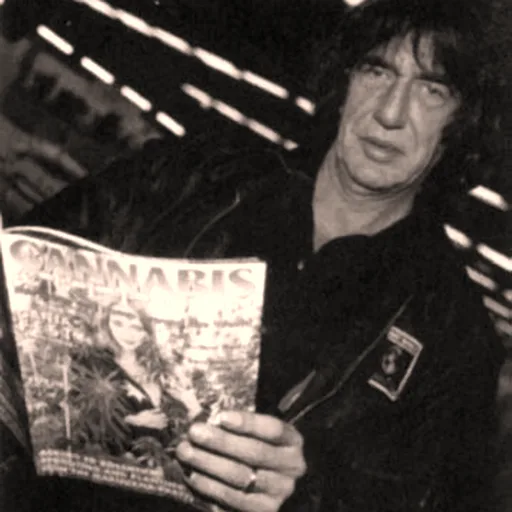
Howard Marks
United States
20th-century American distressed debt investor and thinker
Co-founded Oaktree and championed the importance of 'second-level thinking'
The habit of always asking 'is it already priced in?' is the key
Co-founder of Oaktree Capital and a leading distressed-debt investor. His memos, which Buffett reads first, and his book The Most Important Thing defined second-level thinking as a foundation of sound investing.
What You Can Learn
Marks's second-level thinking is the key mental habit for today's information-saturated investor. When social media floods you with bullish narratives, first-level thinkers buy. Marks teaches a harder discipline: ask whether the consensus is already priced in. Even passive investors benefit from his cycle framework when timing extra contributions. His maxim to prepare rather than predict translates to a rebalancing schedule and cash buffer. Tighten defenses at peak euphoria; lean in when pessimism peaks.
Words That Resonate
Being too far ahead of your time is indistinguishable from being wrong.
You can't predict. You can prepare.
Risk means more things can happen than will happen.
To achieve superior results, you have to have an edge in either information or analysis. And the former is increasingly hard to get.
The most important thing is being attentive to cycles.
Life & Legacy
Howard Marks has built his reputation on the quality of his thinking rather than flashy trades. His investor memos, published irregularly since the 1990s, became essential reading when Buffett said a Marks memo is the first thing he opens. The memos and books they inspired amount to a masterclass in how to think about markets.
Born in 1946 in New York, Marks studied finance at Wharton and earned his MBA at Chicago Booth. He began at Citibank's investment research division and in 1978 took charge of its high-yield bond portfolio, then a fringe asset class. In 1995 he co-founded Oaktree Capital in Los Angeles with Bruce Karsh, focusing on distressed debt. Oaktree grew to manage over $150 billion.
His most influential idea is second-level thinking. First-level thinking says: good company, buy the stock. Second-level thinking asks: good company, but the consensus already reflects that, so the stock is overpriced. Marks argues this deeper reasoning is essential for beating the market, because the market itself aggregates first-level conclusions.
His 2011 book The Most Important Thing, with a Buffett foreword, systematizes these ideas across risk, cycles, contrarianism, and psychology. Mastering the Market Cycle followed, offering tools for judging where the market stands. Marks defines risk not as the probability of loss but as the breadth of uncertainty, challenging modern portfolio theory's equation of volatility with risk. His memos gained the most attention at market extremes: the dot-com bubble, the 2008 crisis, and the 2020 COVID crash. He avoids stock picks, focusing on frameworks for judgment, a stance that underpins his credibility as an investment educator.
Expert Perspective
Marks sits at the crossroads of value and distressed-debt investing. Where Buffett holds excellent businesses, Marks profits from buying obligations of failing firms at steep discounts. His cycle-reading echoes Kostolany but with more rigor. His memos make his educational impact rival his returns.