Artists / Post-Impressionism

Vincent van Gogh
Netherlands 1853-03-30 ~ 1890-07-29
Dutch Post-Impressionist painter born in 1853
Produced two thousand works in ten years, channeling emotion through swirling brushwork in The Starry Night
His concentrated practice and candid letters remain models for creative intensity
Born in the Netherlands in 1853, Van Gogh produced some two thousand works in ten years before dying at thirty-seven. The Starry Night and Sunflowers channel emotion through blazing color.
What You Can Learn
Van Gogh's trajectory holds lessons. His two thousand works in ten years demonstrate how concentrated practice accelerates mastery, a compressed version of deliberate practice theory. His multiple career failures before painting show that detours can build a unique perspective rather than simply waste time. And his detailed letters to Theo model the value of sustained self-reflection and documentation for creative growth, habits that serve any professional.
Words That Resonate
Great things are not done by impulse but by a series of small things brought together.
Les grandes choses ne se font pas par impulsion, mais par une série de petites choses amenées ensemble.
I dream my painting and then I paint my dream.
Je rêve ma peinture et ensuite je peins mon rêve.
If you hear a voice within you say you cannot paint, then by all means paint, and that voice will be silenced.
Si tu entends une voix en toi te dire: 'Tu ne peux pas peindre', alors peins et cette voix sera réduite au silence.
Life & Legacy
Vincent van Gogh commands such presence because he invented a way of projecting intense emotion onto canvas through thick, swirling brushstrokes and incandescent color. In his paintings pigment is not a means of reproduction but a material embodiment of feeling, a method that launched the lineage running from Expressionism through Fauvism to Abstract Expressionism.
Born March 30, 1853, in Groot-Zundert to a Protestant pastor, he drifted through art dealing, teaching, and missionary work before committing to painting at twenty-seven. His devotion to coal miners in the Borinage was deemed excessive and he was dismissed, but the experience instilled a lifelong empathy for laborers and the poor that shaped his subjects.
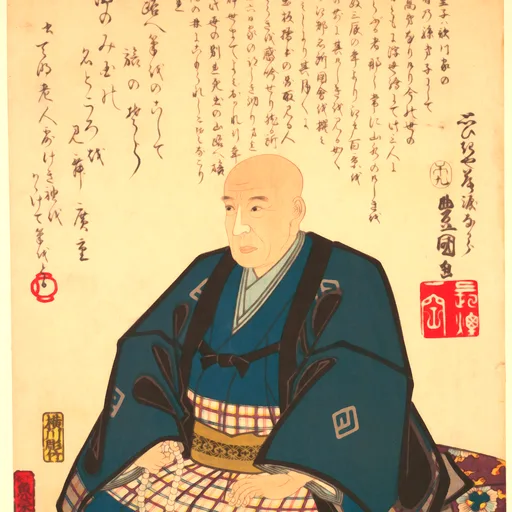
His Dutch period produced dark-toned peasant scenes. The Potato Eaters (1885) renders a family at a meager table under lamplight with rough intensity. He copied Hiroshige prints and absorbed bold composition and flat color.
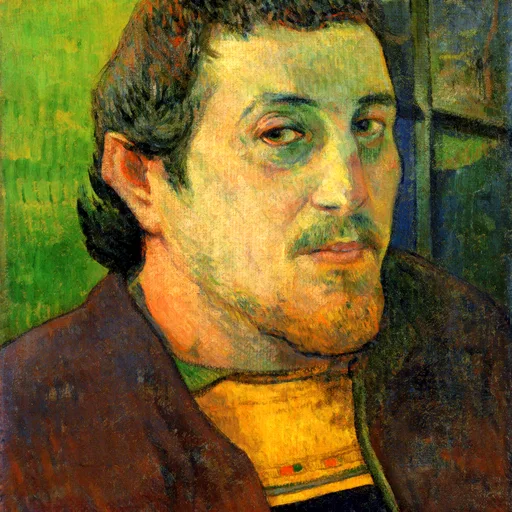
In February 1888 he settled in Arles, entering his most prolific phase. The Sunflowers series celebrates life force through every shade of yellow. The Night Cafe contrasts artificial light with starlight in vivid hues. Gauguin's two-month visit ended in crisis and the famous ear incident in December.
Committed to the asylum at Saint-Remy in 1889, he painted The Starry Night: spiraling sky, blazing stars, undulating cypresses rendered in thick agitated strokes that fuse natural dynamism with psychological intensity. He produced some 150 oils during his stay there, working with remarkable energy between episodes of illness.
In May 1890 he moved to Auvers-sur-Oise under Dr. Gachet's care. Only one painting is confirmed sold in his lifetime, yet his roughly eight hundred letters to Theo remain a first-rank literary document of artistic creation, tracing the arc from doubt to conviction with candor unmatched in art history.
Expert Perspective
Van Gogh bridges Post-Impressionism and Expressionism, having established direct emotional expression through color and brushstroke. His thick swirling paint goes beyond Impressionist color division to make pigment itself an expressive medium. The Starry Night and Sunflowers fuse natural dynamism with inner feeling. Alongside Cezanne and Gauguin he stands as one of three Post-Impressionist giants who launched modern art.