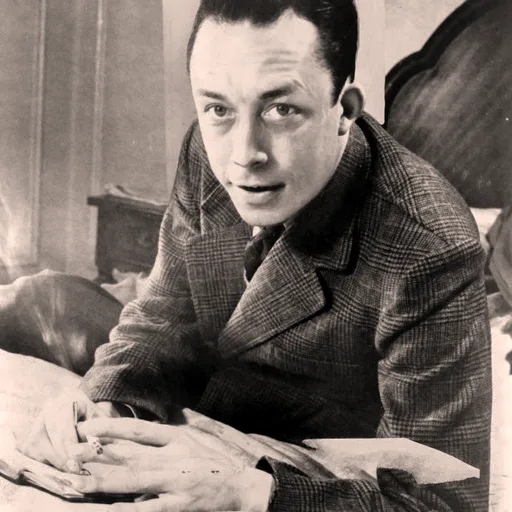
Writers & Literary Figures / Writers

Oscar Wilde (1854-1900) was an Irish playwright, novelist, and wit whose works - 'The Picture of Dorian Gray,' 'The Importance of Being Earnest,' and 'De Profundis' - made him the most celebrated figure of the Aesthetic Movement. His trial and imprisonment for homosexuality transformed him from society's darling into a martyr for individual freedom.
What You Can Learn
Wilde understood something essential about personal branding a century before the term existed: that persona itself can be an art form, and that distinctive self-presentation creates market value. His career arc - spectacular rise through self-creation, catastrophic fall through society's judgment - anticipates modern cautionary tales about public figures destroyed by private contradictions. His observation that 'experience is simply the name we give our mistakes' encapsulates the growth mindset essential to entrepreneurship. For innovators, his life demonstrates both the power of unconventional thinking and the real costs it can exact.
Words That Resonate
Life & Legacy
Oscar Wilde (1854-1900) was born in Dublin to intellectually distinguished parents - his father was Ireland's leading eye surgeon, his mother a noted nationalist poet. After brilliant academic careers at Trinity College Dublin and Oxford (where he won the Newdigate Prize for poetry), he moved to London determined to make himself famous.
Wilde's first triumph was not a book but a persona. Through his wit, his aesthetic philosophy ('art for art's sake'), and his deliberately provocative dress and manner, he became the most talked-about man in London before publishing anything of consequence. His 1882 American lecture tour made him internationally famous at twenty-seven.
His only novel, 'The Picture of Dorian Gray' (1890), scandalized critics with its exploration of beauty, corruption, and moral decay. A young man remains eternally youthful while his portrait ages and decays - a parable of hidden sin that reflected Wilde's own double life.
His theatrical period (1892-1895) produced four brilliant comedies: 'Lady Windermere's Fan,' 'A Woman of No Importance,' 'An Ideal Husband,' and 'The Importance of Being Earnest' - the last widely considered the greatest comedy in English since Shakespeare. These plays combined social satire with linguistic brilliance, creating a genre of witty social comedy that endures in theatre and film.
At the height of his fame, Wilde was destroyed by his relationship with Lord Alfred Douglas. The Marquess of Queensberry's accusation of homosexuality led Wilde to bring a disastrous libel suit. He was subsequently prosecuted, convicted, and sentenced to two years' hard labor. Prison broke his health and spirit.
'De Profundis' (1897), his prison letter to Douglas, and 'The Ballad of Reading Gaol' (1898) represent the art of a broken man achieving tragic dignity. Wilde died in Paris at 46, reportedly saying, 'Either this wallpaper goes, or I do.'
Expert Perspective
Wilde is the supreme figure of the Aesthetic Movement and perhaps the most quotable writer in English after Shakespeare. His comedies perfected a form of witty social drama that influenced Coward, Stoppard, and countless screenwriters. His trial and imprisonment made him an early martyr for LGBTQ+ rights, giving his life a significance beyond literature.