Artists / Baroque
Artemisia Gentileschi
Italy 1593-07-08 ~ 1653-01-01
Italian Baroque painter born in Rome in 1593, the era's most important woman artist
Painted powerful biblical heroines with Caravaggesque drama and personal intensity
Her channeling of adversity into commanding art and her business acumen model how talent and resilience overcome structural barriers
Born in Rome in 1593, Gentileschi was the most important woman painter of the Baroque. Her powerful depictions of biblical heroines combine Caravaggesque drama with personal intensity.
What You Can Learn
Gentileschi offers a lesson in channeling adversity into strength. Her transformation of traumatic experience into commanding art parallels any professional who converts setbacks into distinctive capability. Her successful navigation of a male-dominated market, securing major clients and running a workshop, demonstrates that talent combined with business skill can overcome structural barriers. And her posthumous rediscovery reminds institutions to audit their canons for overlooked contributors.
Words That Resonate
I have made a solemn vow never to send my drawings, because people have cheated me.
Le opere parleranno da sé.
The works will speak for themselves.
Vi mostrerò cosa sa fare una donna.
My illustrious lordship, I will show you what a woman can do.
Troverete l'animo di Cesare nell'anima di questa donna.
Life & Legacy
Artemisia Gentileschi is the most significant woman painter of the Baroque era, and her best works hold their own against any of her male contemporaries. Her paintings of biblical heroines, Judith, Susanna, Cleopatra, radiate a physical and psychological intensity that has made her a touchstone for discussions of gender, power, and creativity.
Born July 8, 1593, in Rome, she was the daughter of Orazio Gentileschi, a painter in Caravaggio's circle. She showed talent early and was trained by her father. In 1611 she was raped by Agostino Tassi, her father's collaborator. The subsequent trial, in which she was subjected to torture to verify her testimony, is one of the most documented sexual-assault cases of the early modern period.
Her paintings of Judith Slaying Holofernes, produced in multiple versions, depict the biblical heroine beheading the Assyrian general with a muscular determination and graphic realism that surpass Caravaggio's treatment of the same subject. Whether these paintings express personal vengeance or simply demonstrate mastery of the dramatic Baroque style, or both, continues to be debated.
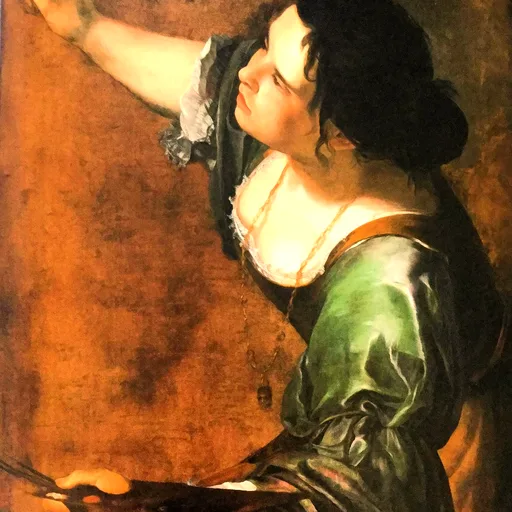
She built a successful career in Florence, where she became the first woman admitted to the Accademia delle Arti del Disegno, and later in Naples and London. Her self-portrait as La Pittura (the allegory of Painting) asserts her professional identity with confident directness.
Her clientele included the Medici and Charles I of England. She managed a busy workshop and negotiated commissions with skill, demonstrating business acumen alongside artistic talent.
She died around 1656 in Naples. Long marginalized in art history, she has been the subject of sustained feminist reappraisal since the 1970s. Her art demonstrates that personal experience, however painful, can fuel rather than inhibit creative power.
Expert Perspective
Gentileschi is the most important woman painter of the Baroque. Her Judith paintings surpass Caravaggio's treatment of the subject in physical intensity. She was the first woman admitted to Florence's art academy. Her feminist reappraisal since the 1970s has secured her standing as a major Baroque artist.