Artists / Impressionism
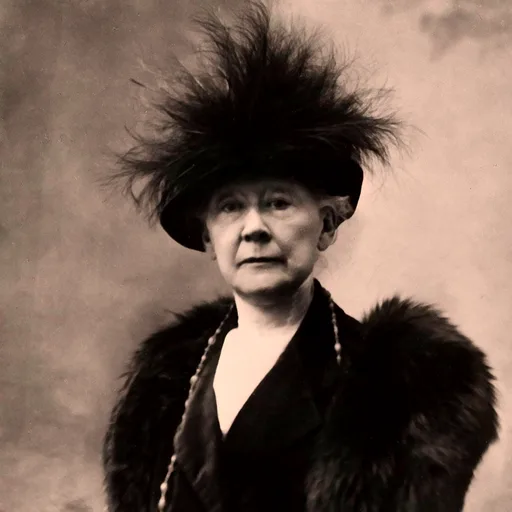
Mary Cassatt
United States 1844-05-22 ~ 1926-06-14
American Impressionist painter born in Pennsylvania in 1844
Exhibited with the French Impressionists and brought fresh perspective through intimate mother-and-child scenes
Her outsider's vantage enriched the movement and her curatorial advice shaped major American museum collections
Born in Pennsylvania in 1844, Cassatt was the only American to exhibit with the French Impressionists. Her intimate mother-and-child scenes brought a fresh perspective to the movement's subjects.
What You Can Learn
Cassatt offers lessons in outsider advantage. Her position as the sole American among French Impressionists gave her a perspective that enriched the group's range of subjects. Her advisory role in building American collections shows how creative expertise can extend into curation and strategic influence. And her Japanese-print-inspired aquatints model how absorbing a foreign aesthetic can produce work that is neither imitation nor appropriation but genuine synthesis.
Words That Resonate
Life & Legacy
Mary Cassatt holds a unique position as the only American artist invited to exhibit with the French Impressionists. Her intimate depictions of women and children introduced subjects and viewpoints largely absent from her male colleagues' work.
Born May 22, 1844, in Allegheny City, Pennsylvania, to a prosperous family, she studied at the Pennsylvania Academy of the Fine Arts before moving to Paris in 1866. She exhibited at the Salon until Degas invited her to join the Impressionist group in 1877, beginning a lifelong artistic friendship.
Degas's influence is visible in her bold cropping, asymmetric compositions, and pastel technique. Yet Cassatt brought her own subject: the daily life of women, particularly the bond between mother and child. Paintings like The Child's Bath and Mother and Child show these moments with unsentimental clarity, treating domestic intimacy as a subject worthy of the same formal rigor applied to landscapes or history scenes.
Her encounter with Japanese prints at the 1890 exhibition in Paris inspired a series of color aquatints that rank among the finest prints of the 19th century. Their flat color areas and strong outlines demonstrate how Japanese aesthetics could be absorbed into Western technique.
She was also instrumental in building American collections of Impressionist art, advising wealthy friends including the Havemeyers on purchases that eventually enriched major museums.
Nearly blind from cataracts, she stopped painting around 1914 and died June 14, 1926, at eighty-two. Her legacy demonstrates that an outsider's perspective can enrich a movement by introducing subjects and sensibilities its insiders overlooked.
Expert Perspective
Cassatt is the only American who exhibited with the French Impressionists. Her intimate mother-and-child scenes introduced subjects and viewpoints absent from her male colleagues' work. Her Japanese-inspired color aquatints rank among the 19th century's finest prints. Her advisory role in building American collections had lasting institutional impact.