Scientists / Biology & Medicine
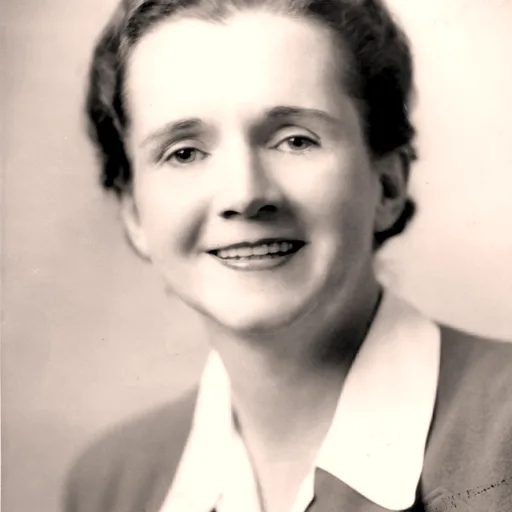
Rachel Carson
United States 1907-05-27 ~ 1964-04-14
Twentieth-century American marine biologist and writer
Exposed the ecological damage of pesticides in Silent Spring, launching the environmental movement
Demonstrated that rigorous science communicated to the public can reshape policy and regulation
American marine biologist born in 1907 whose Silent Spring exposed the ecological damage caused by pesticides. The book launched the modern environmental movement and led to the creation of the US Environmental Protection Agency.
What You Can Learn
Carson's work is the blueprint for whistleblower-driven reform: rigorous data, public communication, and institutional follow-through. Her documentation of bioaccumulation is a model for assessing systemic risk in supply chains and environmental compliance. And her willingness to confront powerful industry lobbies illustrates the courage required for evidence-based advocacy. Her meticulous evidence-gathering before publication models the regulatory-affairs discipline: building an airtight case is the prerequisite for changing established policy or industry practice.
Words That Resonate
Life & Legacy
Rachel Carson sounded the alarm that launched the modern environmental movement. Her 1962 book Silent Spring documented the devastating effects of DDT and other synthetic pesticides on wildlife and human health, forcing governments and industries to confront the ecological costs of chemical agriculture.
Born in 1907 in Springdale, Pennsylvania, she studied biology at the Pennsylvania College for Women and earned a master's in zoology from Johns Hopkins. She joined the US Fish and Wildlife Service as a writer and editor, producing popular works on marine ecology including The Sea Around Us (1951), a bestseller that won the National Book Award.
Silent Spring grew from Carson's investigation of bird die-offs linked to DDT spraying. She meticulously documented how pesticides bioaccumulate through food chains, poisoning not just target insects but birds, fish, and ultimately humans. The chemical industry mounted a fierce campaign to discredit her, but her science held up.
The book prompted President Kennedy to order a review, which validated Carson's findings. It led directly to the US ban on DDT in 1972 and to the creation of the Environmental Protection Agency in 1970.
Carson died of breast cancer in 1964, just two years after publication. She did not live to see the full impact of her work, but Silent Spring is widely credited with catalyzing the environmental legislation of the 1970s and shifting public consciousness about humanity's relationship with nature.
Carson was diagnosed with breast cancer during the writing of Silent Spring and worked against declining health to complete the manuscript. Her courage in publishing despite personal frailty and industry pressure gave the book a moral authority that amplified its scientific message. The EPA, created eight years after her death, institutionalized the regulatory approach she had called for.
Expert Perspective
Among scientists, Carson is the biologist who connected ecology to public policy. Silent Spring demonstrated that scientific evidence, presented compellingly to the public, can reshape regulation. She inherited Darwin's ecological perspective and applied it to the urgent question of humanity's impact on the biosphere.